

Abu Simbel Temples
Consult an Egypt Connoisseur
Reach us for departure dates
Carved into a mountainside by Ramses II, these colossal temples were relocated in a remarkable UNESCO rescue project to save them from flooding.
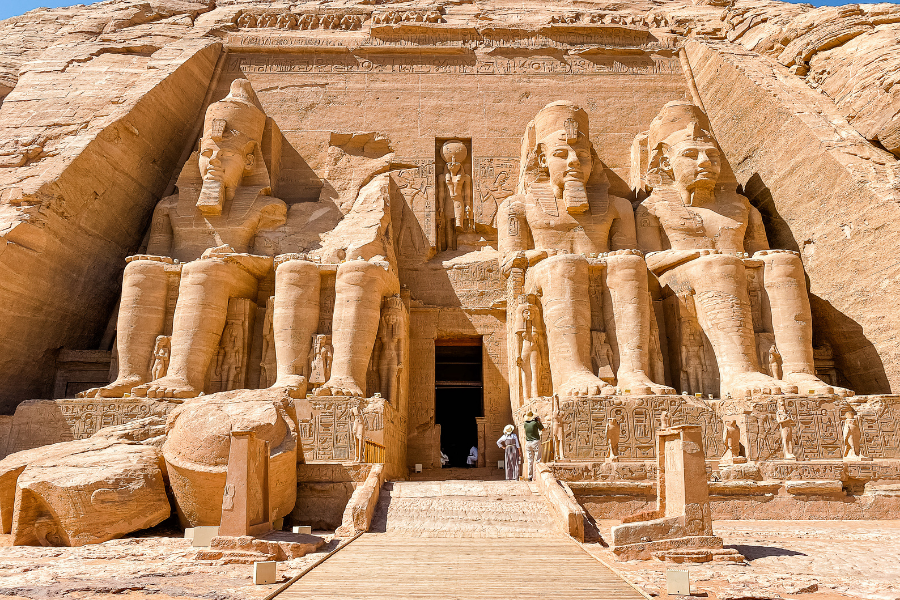
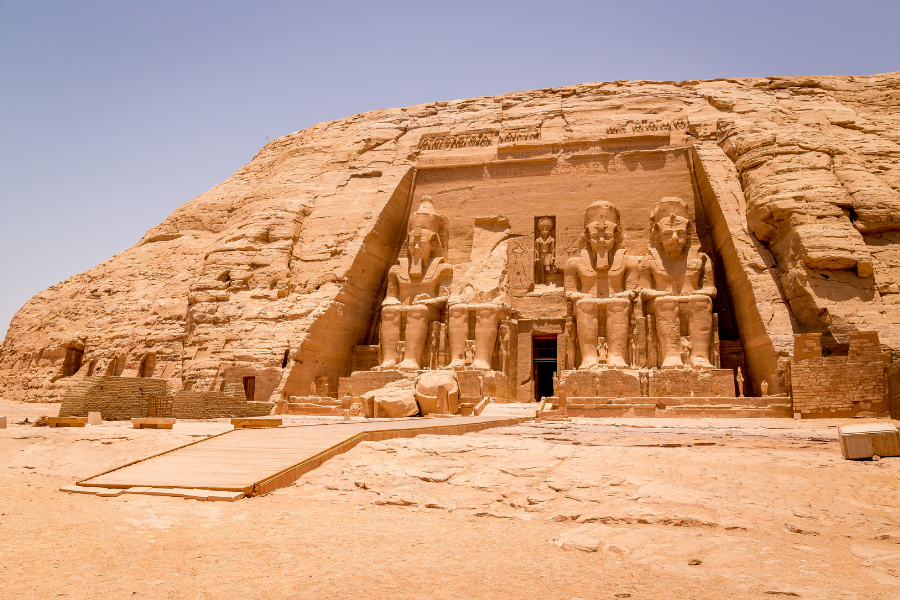
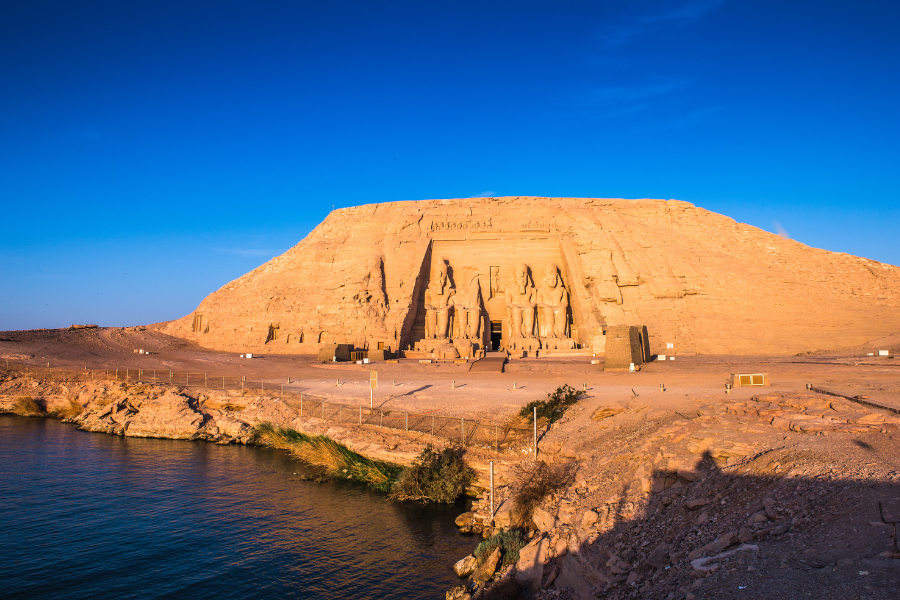
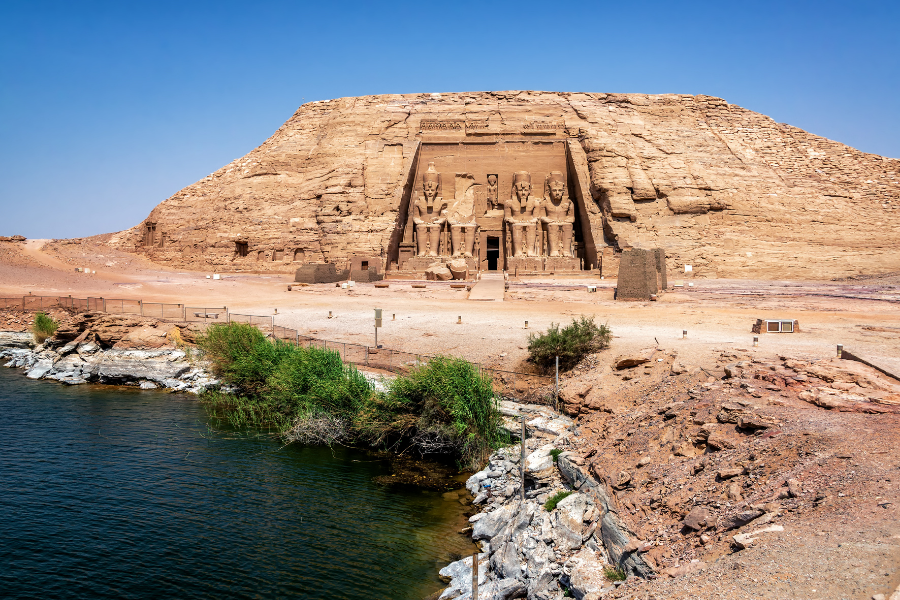
The Abu Simbel Temples are among the most awe-inspiring of all ancient Egyptian temples and a spectacular highlight of any Nile cruise excursion or luxury Egypt holiday. Commissioned by Pharaoh Ramses II in the 13th century BCE to demonstrate his power and divine status, this great Egyptian landmark was carved directly into a mountainside in southern Egypt, near modern-day Sudan, with the main temple façade featuring four colossal 20-metre statues of Ramses seated on his throne.
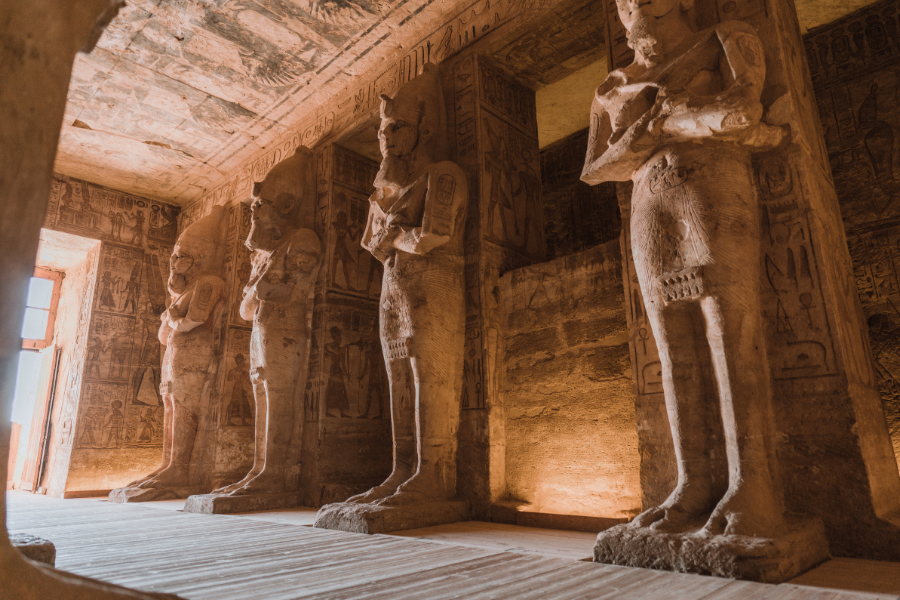
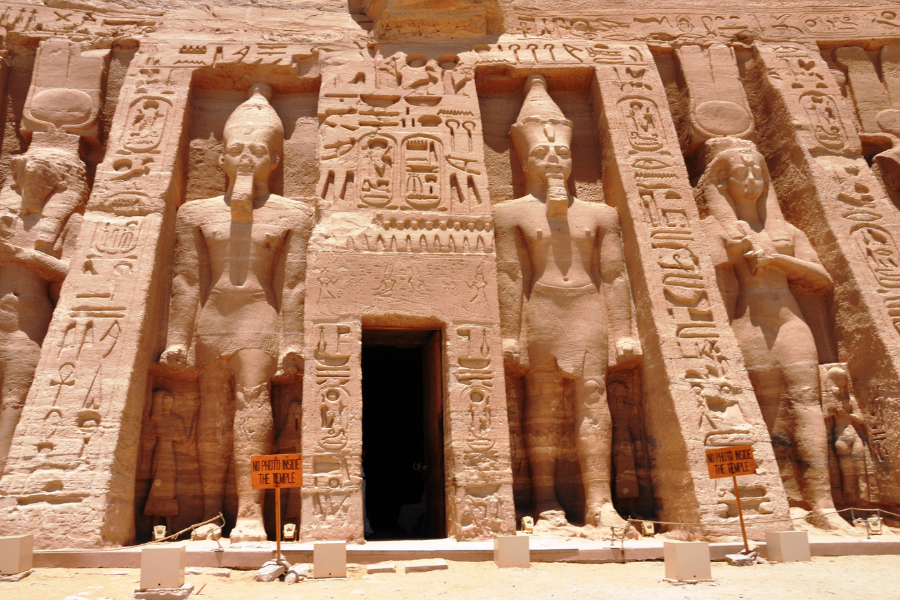
Inside, detailed reliefs depict his military victories, including the famous Battle of Kadesh. Nearby stands a smaller temple dedicated to Queen Nefertari and the goddess Hathor — a rare honour for a royal consort. A visit makes a memorable day trip for couples, families, groups and solo travellers alike, and pairs perfectly with an all-inclusive Egypt package, a relaxing winter sun escape or an Easter holiday Nile cruise.
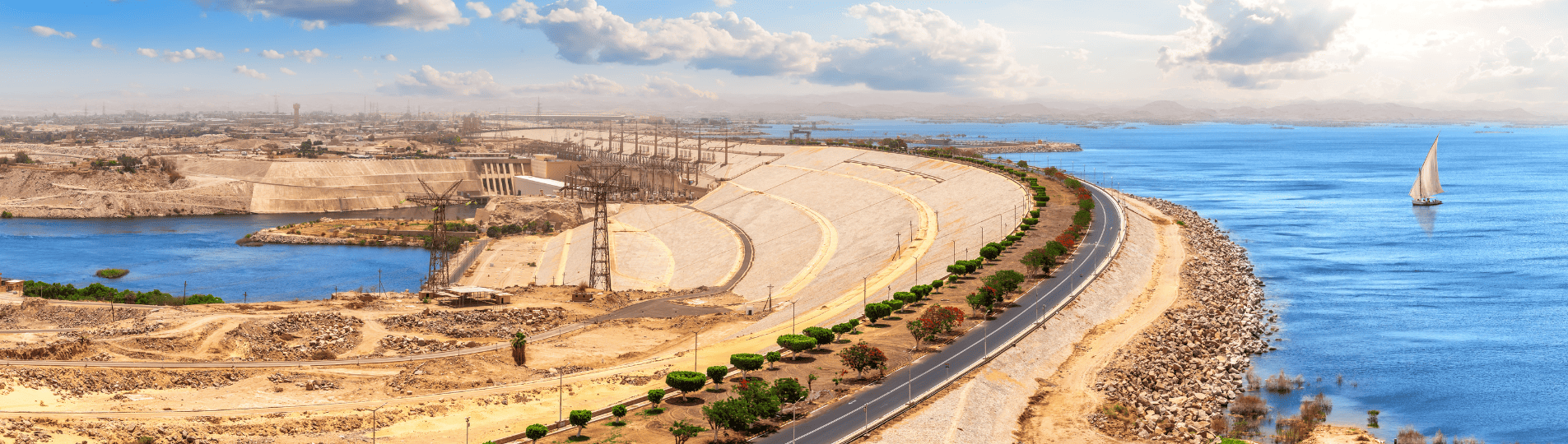
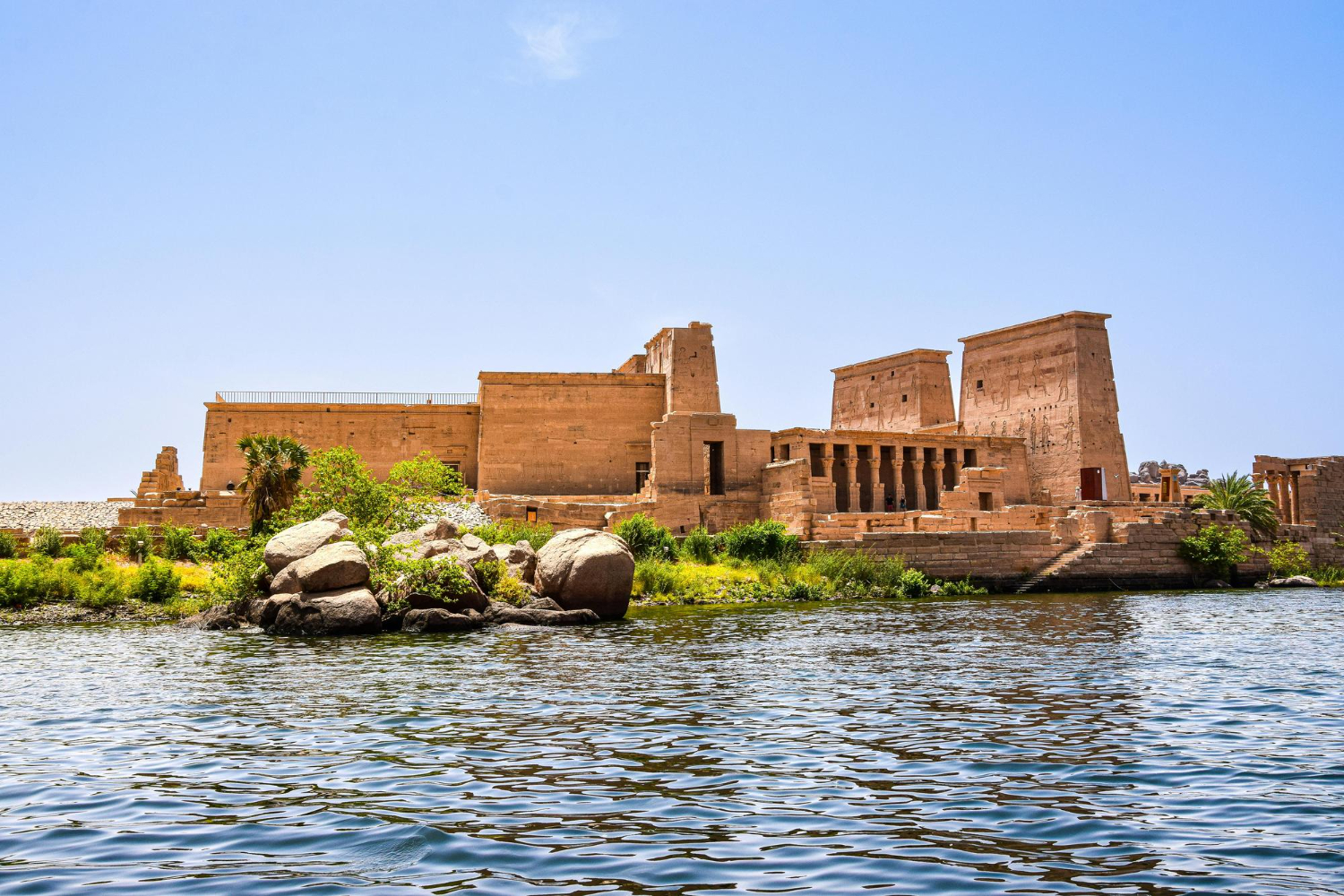
In the 1960s, the entire complex was carefully dismantled and relocated to higher ground to save it from flooding caused by the Aswan High Dam — one of the greatest archaeological rescue projects in history. Now a UNESCO World Heritage Site, Abu Simbel is easily reached as an optional excursion from Aswan, whether you choose a cheap Nile cruise or a five-star luxury sailing along the river, and combines beautifully with other Egyptian landmarks such as the Aswan High Dam and the Temple of Philae.
Photo Gallery
 +4 more
Highlights
Key Facts
c. 1264 BCE
Built
20 metres
Statue Height
1968
Relocated
UNESCO
World Heritage Site
Consult an Egypt Connoisseur
Reach us for departure dates
Other Attractions in Egypt
Continue exploring Egypt’s ancient wonders
Popular Deals & Packages
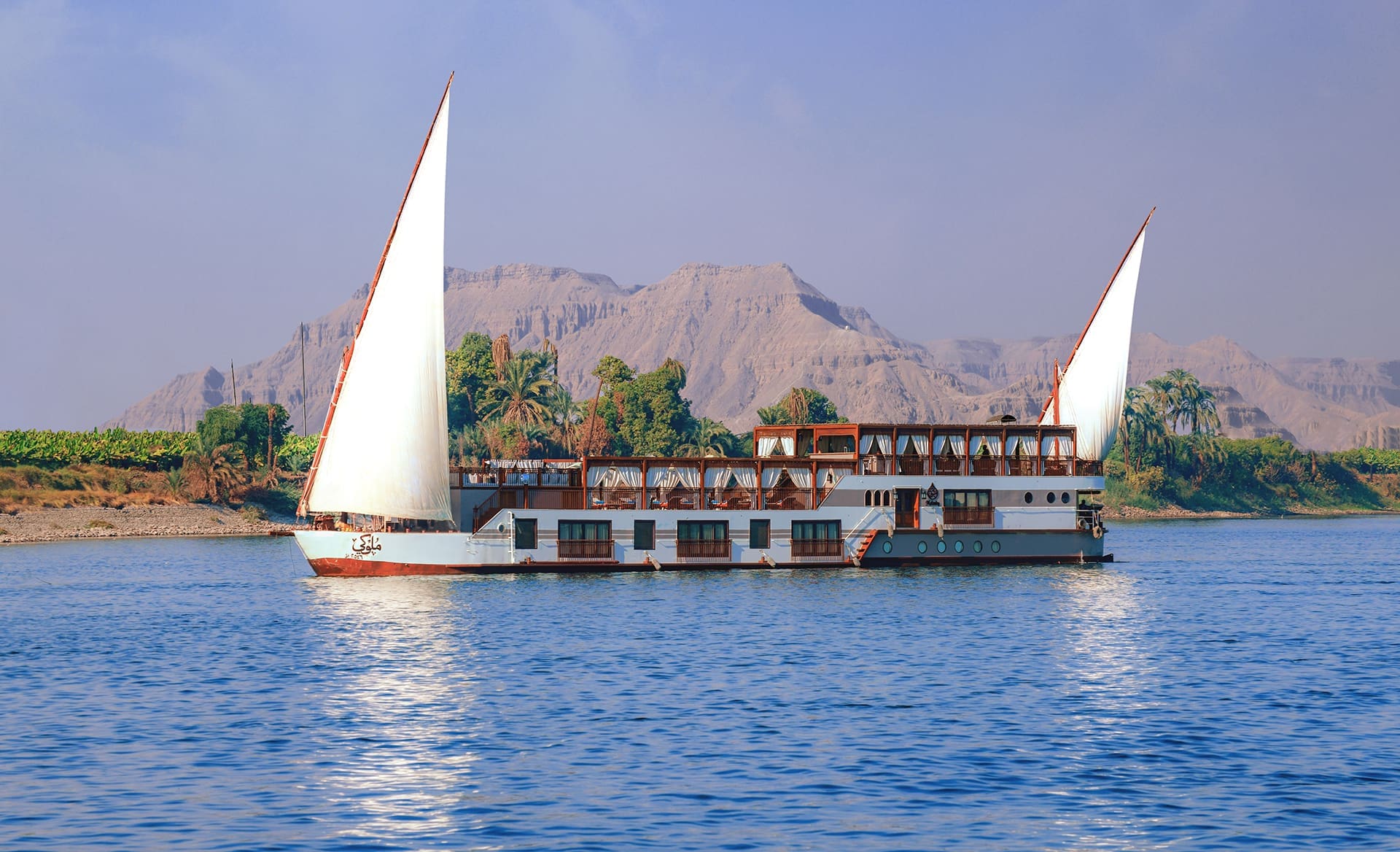
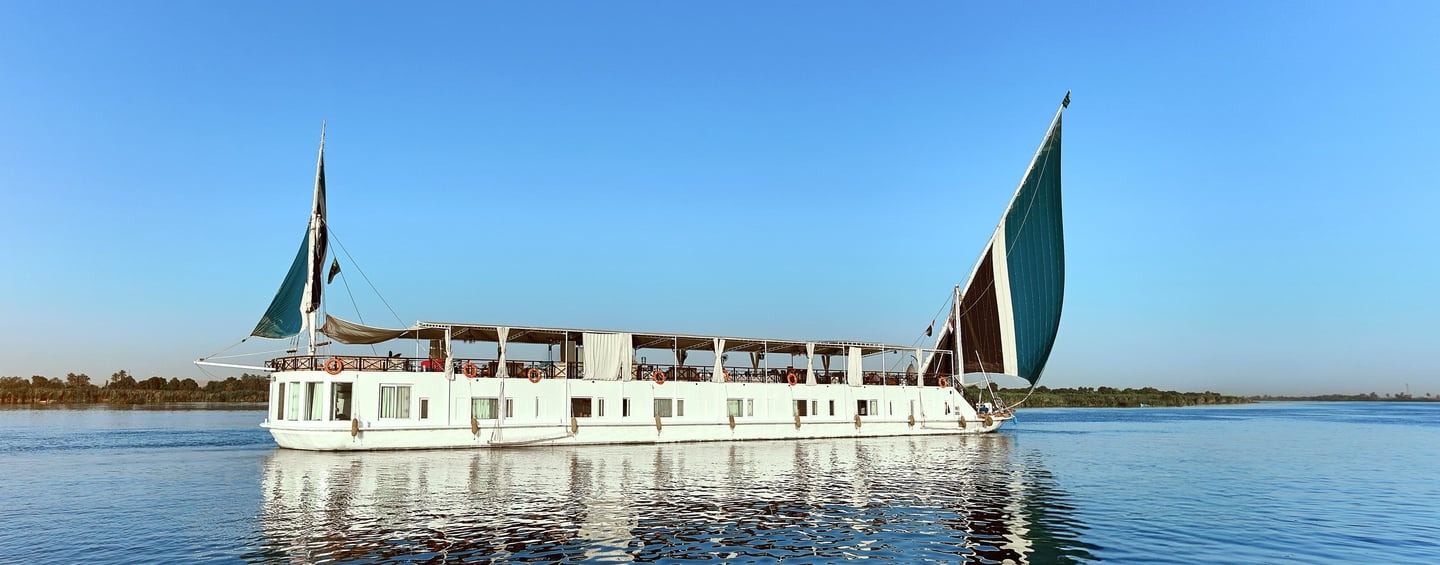
From luxury floating palaces to intimate sailing boats — find your perfect Nile adventure.
.jpg)


Consult an Egypt Connoisseur
Where expertise meets exclusivity
First-hand expertise. Seamless, tailor-made travel. Start designing your journey today