

Florence
The cradle of the Renaissance — Michelangelo, Medici palaces and Chianti vineyards on Tuscany's doorstep
Deals from £570ppBest Deal of Florence



Overview
Things To Do
Deals
Travel Guide
Florence sits at the heart of the Tuscany region in north-central Italy, cradled in a shallow valley along the River Arno approximately 1 hour 50 minutes by air from London. The city is globally recognised as the birthplace of the Renaissance — a 15th-century cultural explosion funded by the Medici banking dynasty that produced Brunelleschi, Botticelli, Leonardo, Michelangelo and Machiavelli within a single generation. Its historic centre is a UNESCO World Heritage Site, and the concentration of art within a walkable 2km radius — the Uffizi, the Accademia, the Bargello, the Duomo complex — is unmatched anywhere in Europe. The climate is continental Mediterranean: hot dry summers reaching 35°C, mild springs and autumns, and cool winters with occasional frost. Flights from the UK operate into Florence's Amerigo Vespucci Airport (Peretola) from Gatwick, Stansted and Manchester, with easy onward connections via Pisa Airport (80km west) served by a wider range of carriers. Florence works equally as a 3-night city break or as a base for exploring the wider Tuscan countryside, making it a compelling choice for couples, culture-seekers and those combining city with rural Italy.
✨ Why Visit Florence
- The single greatest concentration of Renaissance art on earth — the Uffizi alone holds more significant paintings than most national galleries; within 1km you can also see Michelangelo's David, Donatello's bronze David, Brunelleschi's dome and Ghiberti's Baptistery doors, each a landmark of Western art.
- Brunelleschi's dome is an engineering feat that has never been fully replicated — built between 1420 and 1436 without scaffolding using a double-shell herringbone brick technique that Brunelleschi invented and kept secret; at 44m in diameter it remained the world's largest dome for over 500 years.
- Tuscany begins at the city limits — within 30 minutes of Florence's Santa Maria Novella station you are in the Chianti Classico wine zone; within 45 minutes, the medieval hilltop towns of San Gimignano and Volterra; within 90 minutes, Siena. Florence functions as the finest base in Italy for day trips.
- Italian food at its most refined and regionally specific — Florentine cuisine centres on bistecca alla Fiorentina (T-bone steak grilled over chestnut embers), ribollita (a bread and cavolo nero soup), lampredotto (tripe sandwich, sold from street carts since the 15th century) and Chianti Classico DOCG wine. These are not generic Italian dishes — they are specifically and defiantly Florentine.
- Arguably the world's most beautiful city centre after dark — Ponte Vecchio illuminated over the Arno, the Piazza della Signoria empty of crowds at midnight, the Oltrarno wine bars with their candle-lit interiors: Florence rewards those who stay past the day-tripper exodus.
- Compact enough to walk entirely — the historic centre is approximately 2km across; every major sight, neighbourhood and restaurant is reachable on foot from a well-chosen central hotel, making it one of the least stressful European capitals to navigate.
🌴 What Makes It Special
Unlike Rome, Florence is not a functioning capital city with suburbs, motorways and government districts competing for space — the entire city essentially exists as a living museum, at a human scale. Unlike Venice, it has not sacrificed its working identity to tourism; Florentines still live in the centro storico, shop at the Mercato Centrale and eat in the same trattorias their grandparents used. Unlike Milan, the focus is entirely outward — on the streets, the piazzas and the art — rather than on fashion and commerce. And unlike any other city in Europe, Florence's claim to have shaped Western civilisation is not hyperbole: painting, sculpture, architecture, literature, political philosophy and banking all took forms here between 1400 and 1600 that the rest of the world followed for centuries.
📍 Key Areas to Explore
- Centro Storico — the medieval and Renaissance core around the Duomo and Piazza della Signoria, containing the Uffizi, Bargello and Palazzo Vecchio within a compact grid of stone streets.
- Oltrarno — Florence's south bank neighbourhood, home to the Pitti Palace, Boboli Gardens, artisan workshops and the most authentic daily-life atmosphere in the city.
- San Marco & Accademia District — the quieter northern quarter around Michelangelo's David, Fra Angelico's frescoes at the Convent of San Marco and the university buildings.
- Santa Croce — the eastern neighbourhood anchored by the vast Gothic basilica containing the tombs of Michelangelo, Galileo and Machiavelli, with some of Florence's best leather shops and wine bars on the surrounding streets.
- Santa Maria Novella — the main arrival district around the train station, anchored by its Dominican basilica with Masaccio's Trinity fresco — the first painting to use mathematical perspective — and the historic Officina Profumo-Farmaceutica pharmacy, open since 1221.
- Fiesole (4km Northeast) — a hilltop Etruscan-Roman town above Florence with a 1st-century BC Roman theatre still used for summer performances, panoramic views down into the Arno valley and a cooler temperature than the city below.
- Greve in Chianti (27km South) — the gateway town of the Chianti Classico wine zone, reachable by bus from Florence in 60 minutes, with weekly markets, independent cantinas and the triangular Piazza Matteotti lined with arcaded loggie.
Florence rewards depth over speed — the city's layers reveal themselves to those who look beyond the main monuments.
🏞️ Nature & Outdoor Activities
- Walk the Via degli Dei (Florence to Bologna, Apennines) — the 130km ancient mule road connecting Florence to Bologna crosses the Apennine ridge through chestnut forest and mountain meadows; the section from Fiesole to the Passo della Futa (40km, 2 days) is walkable in late spring and autumn without specialist gear.
- Cycle the Arno valley from Florence to Pisa (Via Medicea, 80km) — a largely flat, signed cycling route through Medici villas, wetland reserves and riverside orchards; achievable over 2 days with bike rental from Florence (€20–30/day from Florencetown or Bike Florence).
- Hike above Fiesole to Monte Ceceri (Fiesole, 4km northeast) — the quarry where Leonardo da Vinci allegedly tested his flying machine designs; a 45-minute walk from the Fiesole piazza through oak woodland with views across the Arno valley, entirely free and rarely crowded.
🏖️ Beaches
- Viareggio (Versilia Coast, 85km West) — Tuscany's main beach resort, a 1920s Art Deco seafront town on the Tyrrhenian coast with a 10km arc of sandy beach; direct trains from Santa Maria Novella take 60 minutes (€9–12pp). Beach club access (ombrellone and two sunbeds) from €20/day.
- Marina di Pisa (Pisa Coast, 80km West) — a quieter stretch of Tuscan coast at the mouth of the Arno, with free public beach sections and significantly fewer tourists than Viareggio; combine with a morning visit to the Leaning Tower (Piazza dei Miracoli, €18–20pp to climb).
- Castiglioncello (Etruscan Coast, 100km Southwest) — a small promontory resort on the rocky Etruscan Riviera south of Livorno, with clear water, pine trees down to the shore and a 1950s cinematic charm; reached by train from Pisa in 30 minutes.
🍽️ Food & Drink
- Order Bistecca alla Fiorentina (bis-TEK-ah ah-la fyor-en-TEE-nah) — a T-bone or Porterhouse steak cut from Chianina cattle, grilled rare over chestnut wood embers and served unsauced; sold by weight at around €5–8 per 100g, typically minimum 600g. The correct table for this is Buca Mario (Piazza degli Ottaviani) — Florence's oldest restaurant, open since 1886.
- Try Lampredotto — cow's fourth stomach, slow-cooked in broth with herbs and served in a crusty roll (semelle) with green salsa and chilli; bought from a trippaio street cart for €4–5. Nerbone, inside the Mercato Centrale, is the most respected address for it.
- Drink Chianti Classico DOCG — specifically look for the Gallo Nero (black cockerel) symbol on the bottle neck; the wine produced within the historic Chianti zone between Florence and Siena is a protected designation. A glass costs €4–7 in a decent enoteca; a reliable bottle to take home starts at €12–15.
- Visit the Mercato Centrale (San Lorenzo, Florence) — the 19th-century cast-iron market hall has a ground floor of serious food vendors (butchers, cheesemakers, pasta makers) and a first-floor food hall open until midnight with stalls serving lampredotto, pizza, ribollita and Florentine wine.
- For a Michelin-level dinner, Enoteca Pinchiorri (Via Ghibellina, Santa Croce) holds two Michelin stars and an extraordinary wine cellar of over 150,000 bottles; tasting menus from €200pp, wine pairing additional.
🎉 Nightlife & Entertainment
- Oltrarno aperitivo circuit (Oltrarno, Florence) — the neighbourhood's wine bars open for aperitivo from 18:00; Volume on Piazza di Santo Spirito and Mad Souls & Spirits on Borgo San Frediano are among the most characterful, drawing a largely local crowd.
- Opera at the Teatro del Maggio Musicale Fiorentino (Cascine, Florence) — one of Italy's principal opera houses, opened in its current form in 2014, with a season running October through June; tickets from €20 in the upper tiers.
- Estate Fiesolana Summer Festival (Fiesole, 4km Northeast) — an open-air programme of opera, dance and classical music held in the 1st-century BC Roman theatre at Fiesole from June to August; tickets from €15, with the Arno valley lights below as backdrop.
- Piazza della Repubblica bar terraces (Centro Storico, Florence) — the 19th-century piazza's historic cafés — Gilli (open since 1733) and Caffè Paszkowski — have terrace seating from spring through autumn; not cheap (€6–8 for a Negroni) but among Florence's most atmospheric outdoor evening spots.
📸 Instagram-Worthy Spots
- Ponte Vecchio at dawn (Centro Storico, Florence) — the 14th-century bridge lined with goldsmiths' shops is photographed from the Ponte Santa Trinita to the west; at 06:30 in summer, with mist occasionally rising from the Arno, it is almost entirely deserted.
- The view from San Miniato al Monte (Oltrarno hills, Florence) — the Romanesque church above Piazzale Michelangelo, reached by a further 10-minute climb up Viale Galileo, offers a higher and less visited vantage point over the city; the marble facade glows green and white in the morning light.
- The Vasari Corridor exterior (Centro Storico, Florence) — the elevated enclosed walkway built in 1565 for Cosimo I de' Medici runs above the Ponte Vecchio's roofline, visible from the Arno riverbank below; a genuine architectural curiosity that most visitors photograph without knowing what they are looking at.
- The Baptistery's East Doors (Duomo District, Florence) — Ghiberti's Gates of Paradise (1425–1452), which Michelangelo reputedly called the gates worthy of Paradise, are gilded bronze panels depicting Old Testament scenes in relief; the originals are in the Museo dell'Opera del Duomo (€15pp), but even the replicas on the building itself stop people in their tracks.
Best Value Deals
🌟 All-Inclusive Holidays
True all-inclusive resorts do not exist within Florence's historic centre — the city's hotel culture is firmly bed-and-breakfast or room-only, reflecting a dining scene too good to bypass with a buffet. Some tour operators bundle flights, hotel and a Florence card (covering multiple museum entries) into package deals from around £349pp for 3 nights including flights in shoulder season. These curated packages represent the closest equivalent to all-inclusive value and are worth considering for first-time visitors who want museum access simplified.
👨👩👧👦 Family Holidays
Florence suits families with children aged 10 and above most naturally — the art-historical density requires some engagement to reward. The Museo Galileo (Piazza dei Giudici, Centro Storico) is genuinely excellent for curious children, housing Galileo's original telescopes, early globes and instruments. The Boboli Gardens provide space to decompress between museums, and the Mercato Centrale's first-floor food hall is an easy family lunch option. Families benefit from 5–7 night stays to allow a Chianti day trip alongside the city's main sights. The hilltop town of Fiesole is a good half-day excursion with children — the Roman theatre and small archaeological museum engage at multiple age levels.
💎 Luxury Holidays
Florence's luxury hotel tier is exceptional. The Four Seasons Firenze occupies a 15th-century palazzo and its former convent, with 11 acres of private garden — the largest private garden within any European city-centre hotel. The Belmond Villa San Michele, set in a former monastery in Fiesole with a facade attributed to Michelangelo, overlooks the entire Arno valley; rates from £700 per room per night. For a smaller, design-led experience, the Portrait Firenze on Lungarno Acciaiuoli offers suites with direct Arno views and a rooftop terrace looking straight at the Uffizi.
⏰ Last-Minute Deals
Florence's peak season runs April through October, driven by a combination of cultural tourism and the Tuscany countryside market. Last-minute savings are most available November through February, when hotel rates in the centro storico drop 30–40% from summer peaks and museum queues are negligible. Easter week and the last two weeks of July are among the most expensive and crowded periods. The Maggio Musicale Fiorentino festival (May–June) fills hotels in the upper and mid-range; book at least 8 weeks ahead for this period.
Why Book with us:
💰 Low deposits from £49pp
📅 Flexible payment plans with balance due 6 weeks before travel
🛡️ ATOL Protected — your money and flights are fully safeguarded
✏️ Free amendment window on selected packages
📞 UK-based customer support, 8am–11pm every day
📅 Best Time to Visit Florence
April and May are the finest months — temperatures of 17–22°C, the Tuscan countryside in flower, manageable crowds and the full museum and opera season open. September and October run a close second, with harvest season in the Chianti vineyards adding a specifically Tuscan pleasure to any day trip, and temperatures easing from the summer peak. Summer (June–August) brings reliable heat — July and August regularly reach 35°C in the Arno valley, with the city centre's stone streets intensifying the temperature — and very high tourist density; the Uffizi and Accademia are at their most congested. Winter (November–February) is the least visited season: temperatures of 5–10°C with occasional frost and, rarely, snow on the surrounding hills, but dramatically reduced crowds, lower hotel rates and a Florence that feels genuinely inhabited by its own people. Christmas and New Year bring a short price spike; January and February are the quietest and cheapest months of the year.
🏨 Where to Stay
- Families: Oltrarno (space, Boboli Gardens access), Santa Croce (quieter streets, neighbourhood feel)
- Couples: Oltrarno, Lungarno (Arno-facing hotels), Piazza della Signoria area
- Luxury seekers: Four Seasons Firenze (Centro Storico), Belmond Villa San Michele (Fiesole)
- First-timers & culture: Centro Storico within walking distance of Duomo and Uffizi
- Food lovers & wine: Oltrarno and Santa Croce for independent restaurants and enotecas
🚗 Getting Around
Florence's historic centre is a ZTL (Zona a Traffico Limitato) — cars without a permit face automatic fines of €80–150; do not drive into the centre. The airport (Peretola, 5km northwest) is connected to Santa Maria Novella station by the T2 tram line, taking 20 minutes and costing €1.70 — one of Europe's most efficient and cheap airport connections. Within the city, walking is almost always faster than any other option; the entire centro storico takes 25 minutes to cross on foot. ATAF buses serve the outer neighbourhoods and the hills; single tickets cost €1.70 (€2.50 on board). Taxis rank outside Santa Maria Novella station; from the airport to the centre expect €20–25. For day trips, Trenitalia runs frequent services to Pisa (1 hour, €8–10pp), Siena (requires a change at Empoli, 90 minutes total) and the Versilia coast. Car hire is best collected at the airport and driven directly to a Chianti agriturismo — trying to navigate the city by car is unnecessary and stressful.
💡 Travel Tips
- Book the Uffizi, Accademia and Duomo cupola weeks in advance — these three sights sell timed-entry slots that disappear in peak season; the Accademia in particular is often fully booked 3–4 weeks ahead in July and August.
- The Florence Card (Firenzecard, €85 for 72 hours) covers entry to 72 museums including the Uffizi, Accademia, Bargello and Pitti Palace with priority access — worth it for any visitor spending 3 or more days focused on museums.
- Plug type: Italy uses Type F (two round pins, 220V). UK adaptors required.
- Tipping: Not obligatory. A €1–2 tip per person after a restaurant meal is appreciated; the coperto (cover charge, €2–4pp) is standard and appears on the bill. Standing at the bar to order coffee costs less than sitting at a table — the same espresso can be €1.20 standing, €2.50–3.00 seated.
- Visit churches in the morning — most Florentine churches are free to enter and at their quietest before 10:00; Santa Croce (€8pp), Santa Maria Novella (€5pp) and the Duomo interior (free with the Duomo pass) reward unhurried early visits.
- The Arno floods — the November 1966 flood that destroyed thousands of artworks is still part of the city's living memory; if travelling in late autumn after heavy rain, check the Comune di Firenze flood alert status. The Oltrarno and Santa Croce areas are the most historically vulnerable.
Map Of Florence
Top Experiences
Visit Uffizi Gallery
Arrive early to enjoy masterpieces by Botticelli, Leonardo, and Caravaggio before crowds fill the galleries.
Climb Florence Cathedral Dome
463-step ascent inside Brunelleschi’s dome with close fresco views and panoramic city skyline from the top.
Sunset at Piazzale Michelangelo
Iconic viewpoint overlooking Florence, perfect for golden-hour photography and relaxed evening atmosphere.
Explore Oltrarno
Artisan district with workshops, cafés, and historic sites including Pitti Palace and Boboli Gardens.
See Accademia Gallery
Home to Michelangelo’s original David and unfinished sculptures revealing his artistic process.
Cycle through Chianti
Scenic vineyard routes with wine tastings, countryside views, and traditional Tuscan experiences.
Top Hotels In Florence



Travel Information
Everything You Need To Know Before You Jet Off To Florence.
Other Hotels In Florence
Browse Our Wider Selection Of Hotels
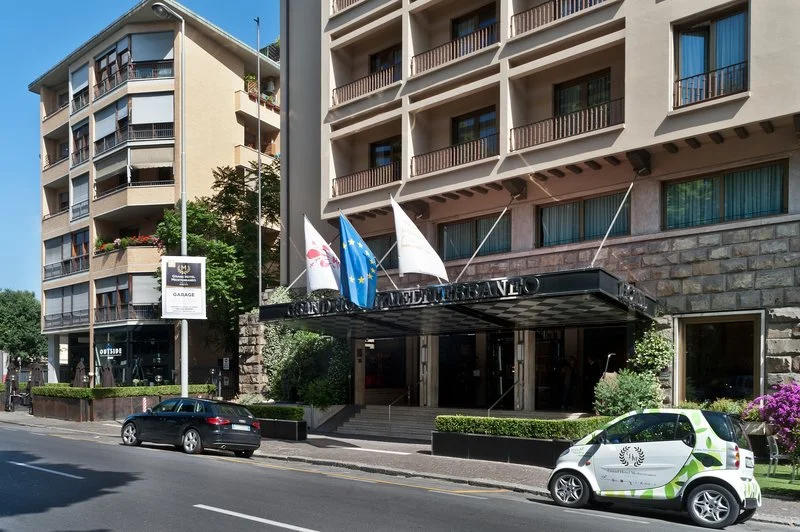
Grand Hotel Mediterraneo
Florence, Florence
05 Aug - 12 Aug 2026
Grand Hotel Minerva
Florence, Florence
05 Aug - 12 Aug 2026
Hilton Florence Metropole
Florence, Florence
05 Aug - 12 Aug 2026
Hotel Cellai
Florence, Florence
05 Aug - 12 Aug 2026
Hotel Executive
Florence, Florence
05 Aug - 12 Aug 2026

Hotel Ginori Al Duomo
Florence, Florence
05 Aug - 12 Aug 2026
Hotel Glance In Florence
Florence, Florence
05 Aug - 12 Aug 2026
Hotel Kraft
Florence, Florence
05 Aug - 12 Aug 2026
Hotel Lungarno Vespucci 50
Florence, Florence
05 Aug - 12 Aug 2026
Donati Luxury Tower
Florence, Florence
05 Aug - 12 Aug 2026
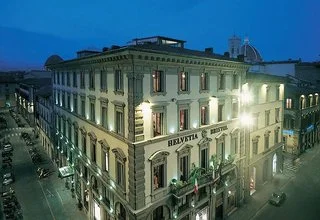
Helvetia & Bristol Firenze - Starhotels Collezione
Florence, Florence
05 Aug - 12 Aug 2026
Hotel Lungarno
Florence, Florence
05 Aug - 12 Aug 2026