

Italy
Ancient ruins, Renaissance art, sun-drenched coastlines and the world's most revered cuisine
Deals from £313ppBest Deal of Italy


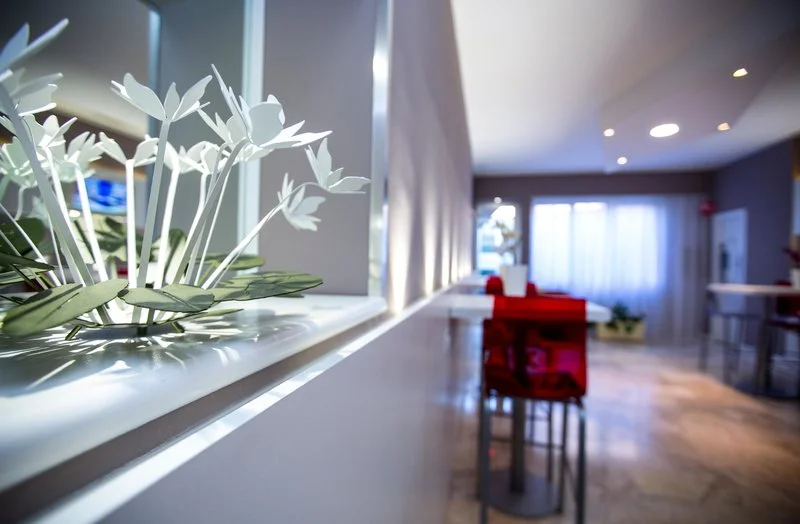
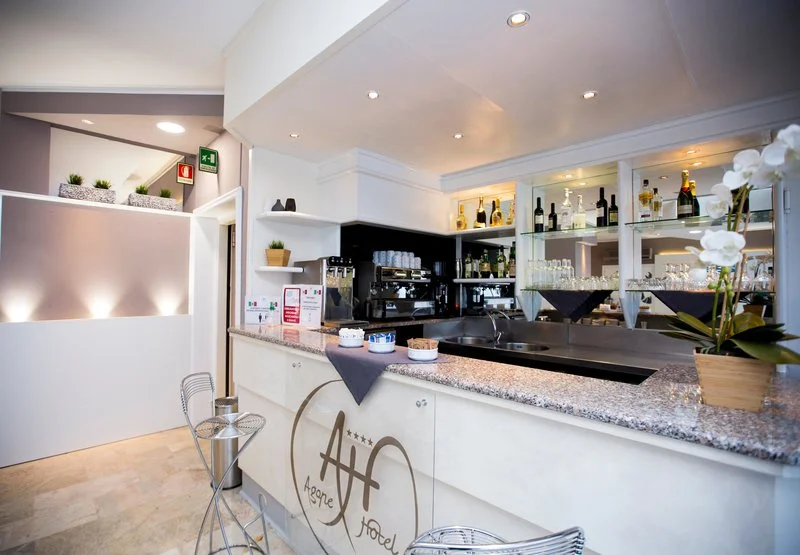
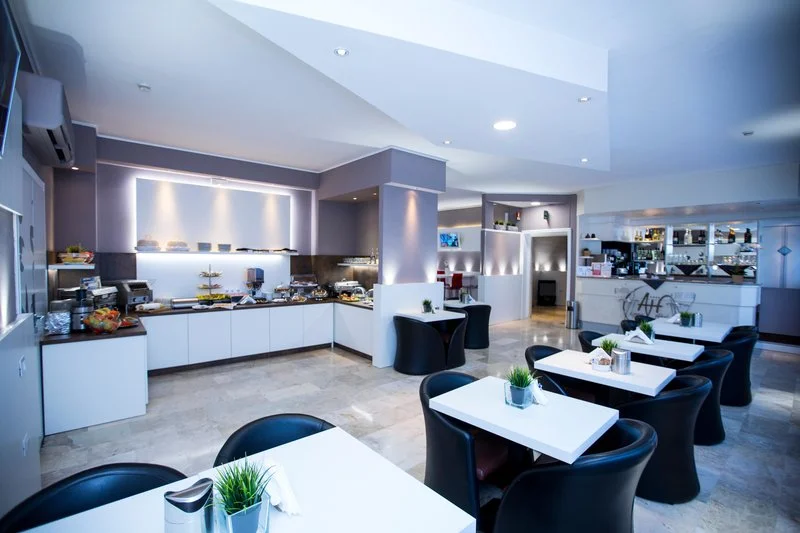
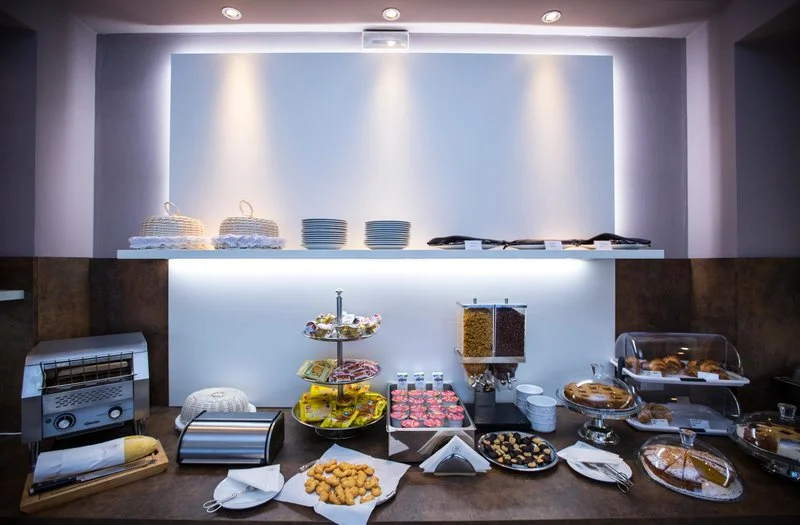
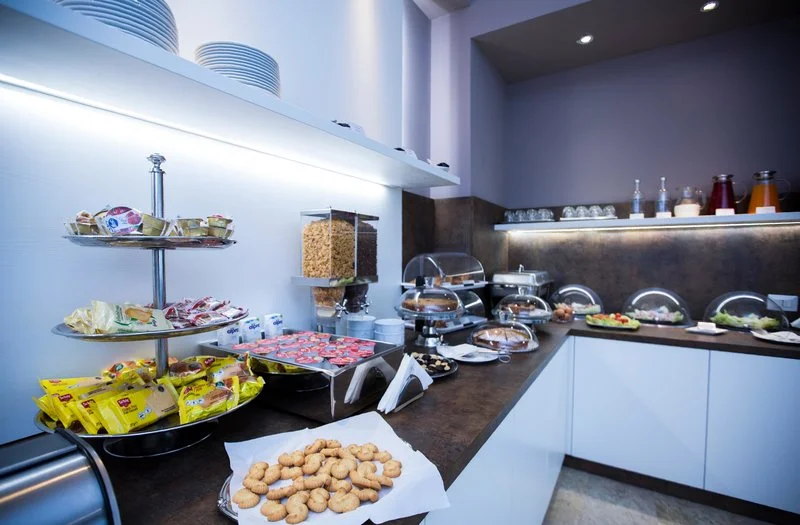
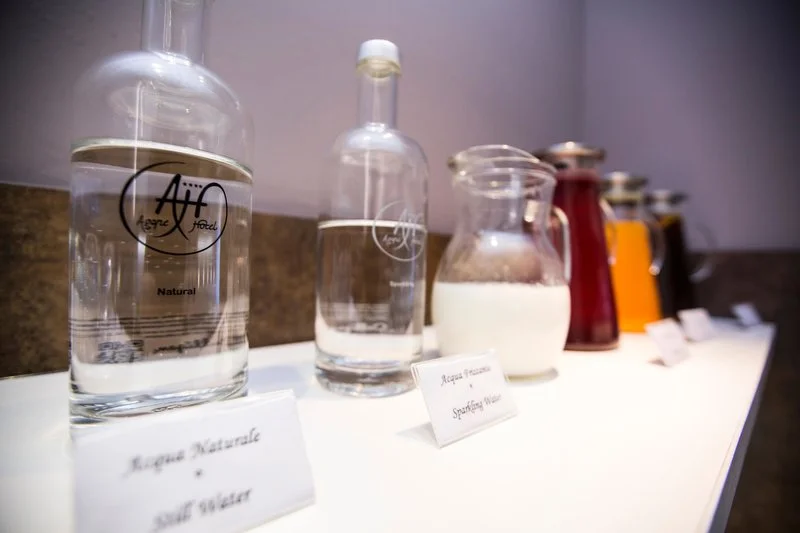
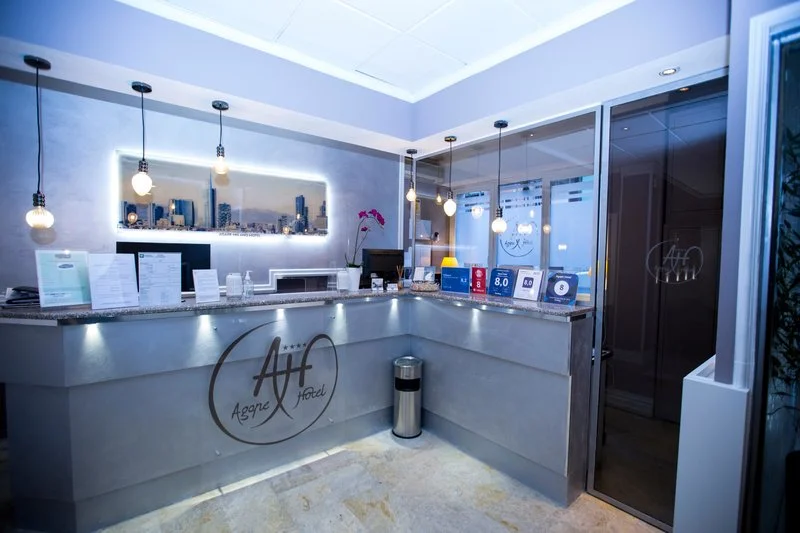
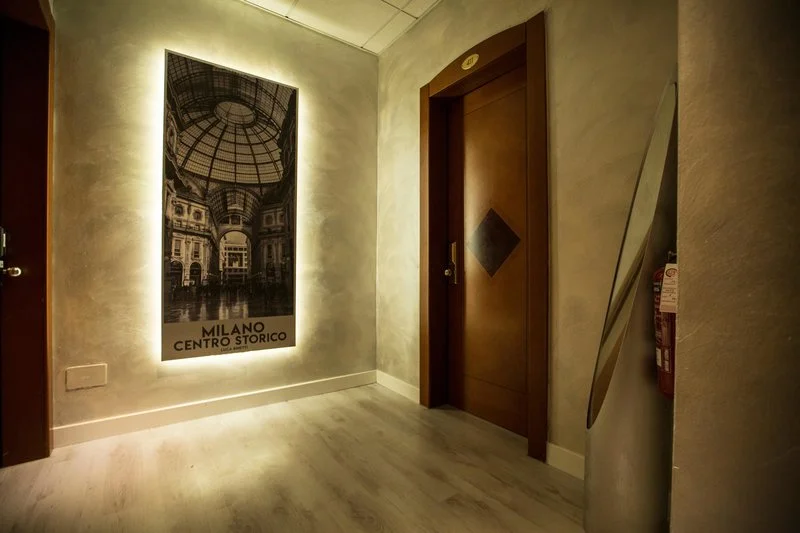
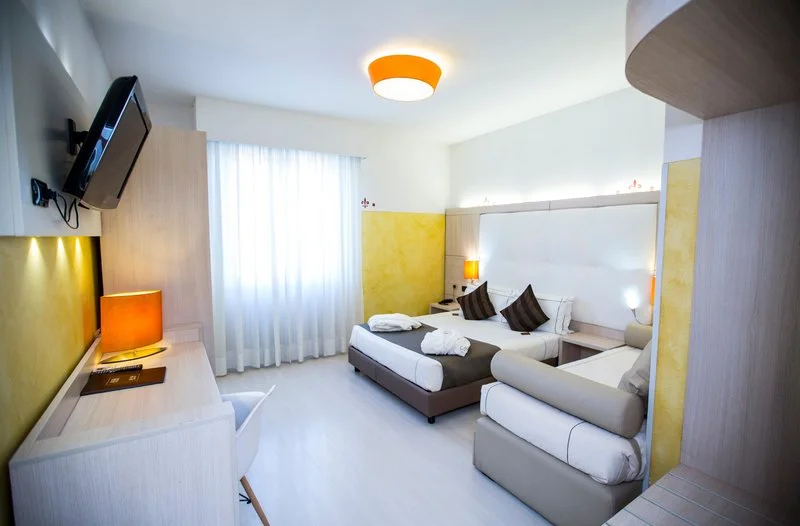
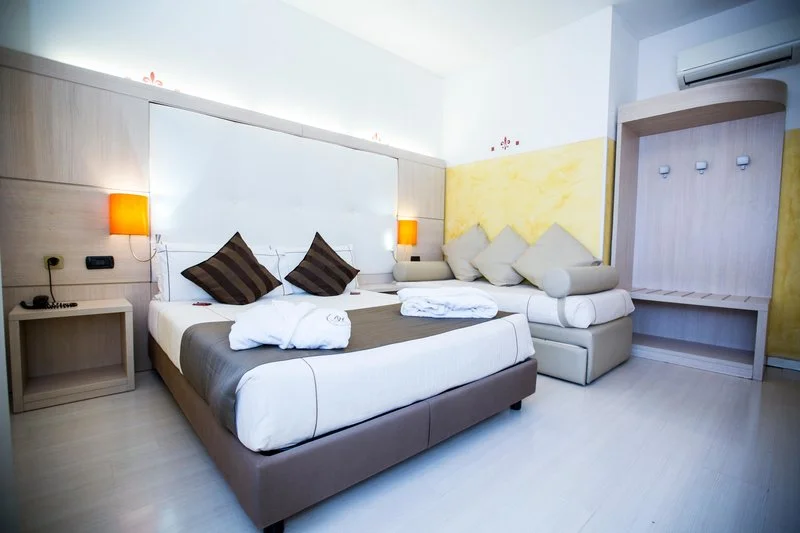
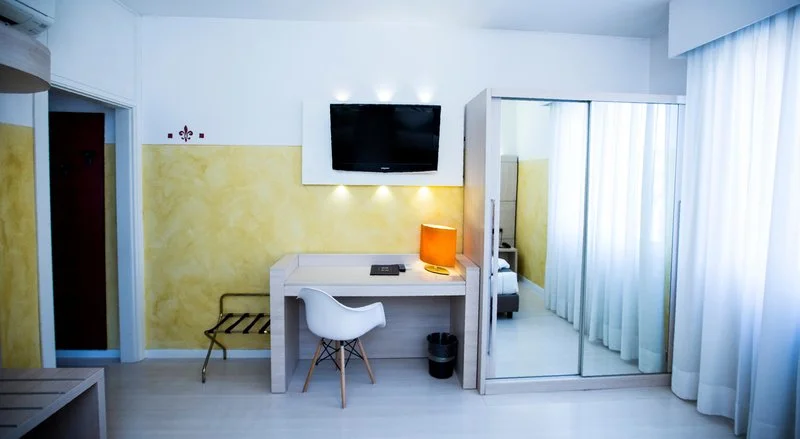
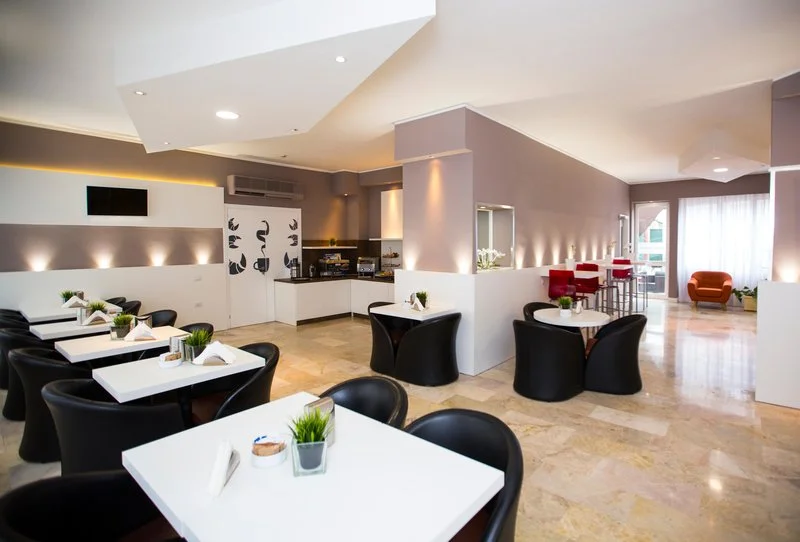
 259 reviews
24 Aug - 31 Aug 2026
7 Nights
Bed & Breakfast
Overview
Things To Do
Deals
Travel Guide
Italy stretches 1,185 km from the Alpine foothills bordering France, Switzerland and Austria in the north to the sun-bleached tip of Calabria in the south, sitting centrally in the Mediterranean Sea and reachable from the UK in two to three hours by direct flight. It is globally synonymous with three things no other single country combines at this scale: an unbroken thread of Western civilisation from ancient Rome through the Renaissance to the present, a regional culinary tradition so precise that individual pasta shapes are specific to individual towns, and a landscape that oscillates between snow-capped mountains, volcanic islands, limestone gorges and yacht-filled harbours within the same afternoon's drive. The climate ranges from Alpine in the north to genuinely subtropical in Sicily. UK travellers benefit from an extraordinary density of direct flights from regional airports — Ryanair, easyJet, British Airways and Jet2 between them serve Rome, Milan, Venice, Naples, Florence, Bologna, Palermo and Catania — making Italy one of the most accessible European destinations for the British market across every budget.
✨ Why Visit Italy
- The world's greatest concentration of UNESCO World Heritage Sites. Italy holds 58 UNESCO sites — more than any other country — including the historic centres of Rome, Florence, Naples, Siena and San Gimignano, Pompeii, the Amalfi Coast, the Dolomites and the Venetian Lagoon. No single European trip delivers comparable cultural density.
- A cuisine that is genuinely, provably regional. Carbonara is a Roman dish; risotto is Lombard; 'ndrangheta-era ragù is Calabrian. Each of Italy's 20 regions maintains legally protected food traditions — 872 products hold DOP or IGP geographical indication status — meaning what you eat in Bologna tastes categorically different from what you eat in Palermo.
- Four entirely distinct coastlines. The Amalfi Coast and Cilento in the south, the Adriatic Riviera running from Rimini to the Gargano, the Ligurian coast including the Cinque Terre villages, and the beaches of Sardinia and Sicily represent radically different coastal experiences within the same country.
- Ski and beach in the same country, often the same week. The Dolomites in South Tyrol (skiing from December–April, hiking from June–September) sit four hours by train from Venice. Families can ski Cortina d'Ampezzo in the morning and be in Verona for dinner.
- Rome, Florence and Venice are among Europe's most walkable city-break destinations. All three are compact enough that the majority of the principal sights are within 2 km of a central base — no car needed, no complex transit systems, and an espresso bar on every corner for when museums become overwhelming.
- Value outside the headline cities. Puglia, Calabria, Basilicata and inland Sicily offer comparable food, landscape and historical depth to Tuscany or the Amalfi Coast at 40–50% lower accommodation costs — accessible on direct flights to Bari, Lamezia Terme and Catania.
🌴 What Makes It Special
Unlike France or Spain, where regional identities sit beneath a broadly unified national character, Italy's regions function almost as separate countries — each with its own dialect, cuisine, architectural vernacular and cultural calendar. Unlike Greece, where island-hopping is the dominant travel mode, Italy offers continental depth: you can spend a week driving from Siena to Matera without crossing water and encounter five completely distinct landscapes and food cultures. Unlike Croatia or Portugal, Italy carries millennia of uninterrupted civilisation on the surface rather than in museums — the Pantheon in Rome has been in continuous use since 125 AD; the wine-producing estates of Tuscany have been operating since the Medici era. That tangible, lived-in historical depth is what separates a holiday to Italy from equivalent alternatives elsewhere in the Mediterranean.
📍 Key Areas to Explore
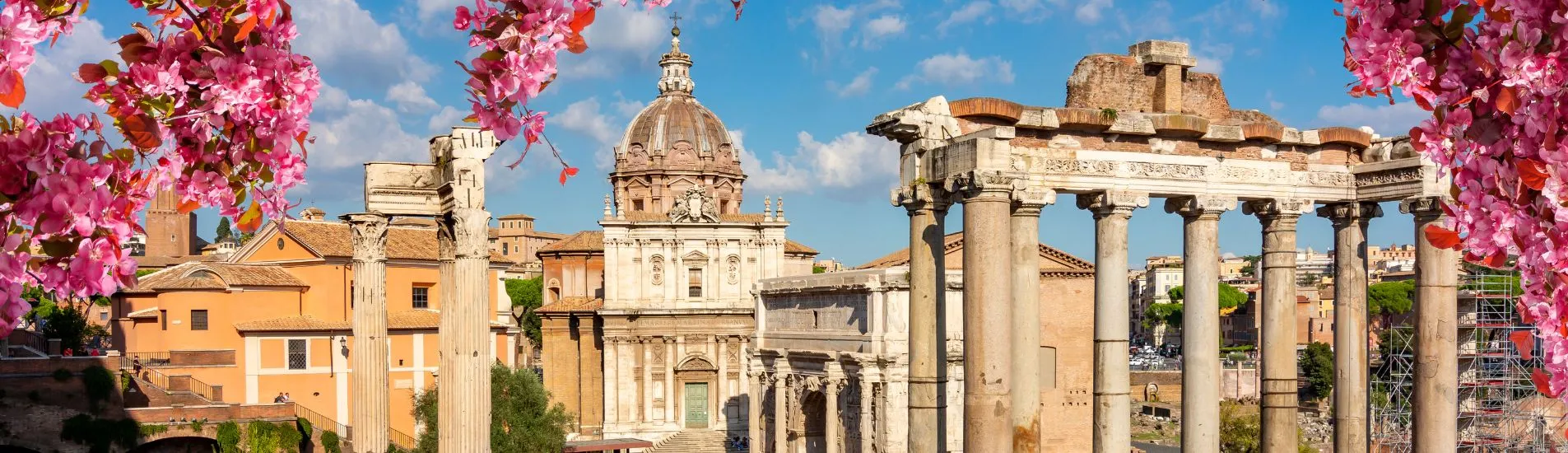
- Lazio & Rome — The Eternal City anchors central Italy, home to the Colosseum, Vatican Museums and Trastevere's neighbourhood trattorias in a city of 2.8 million people.
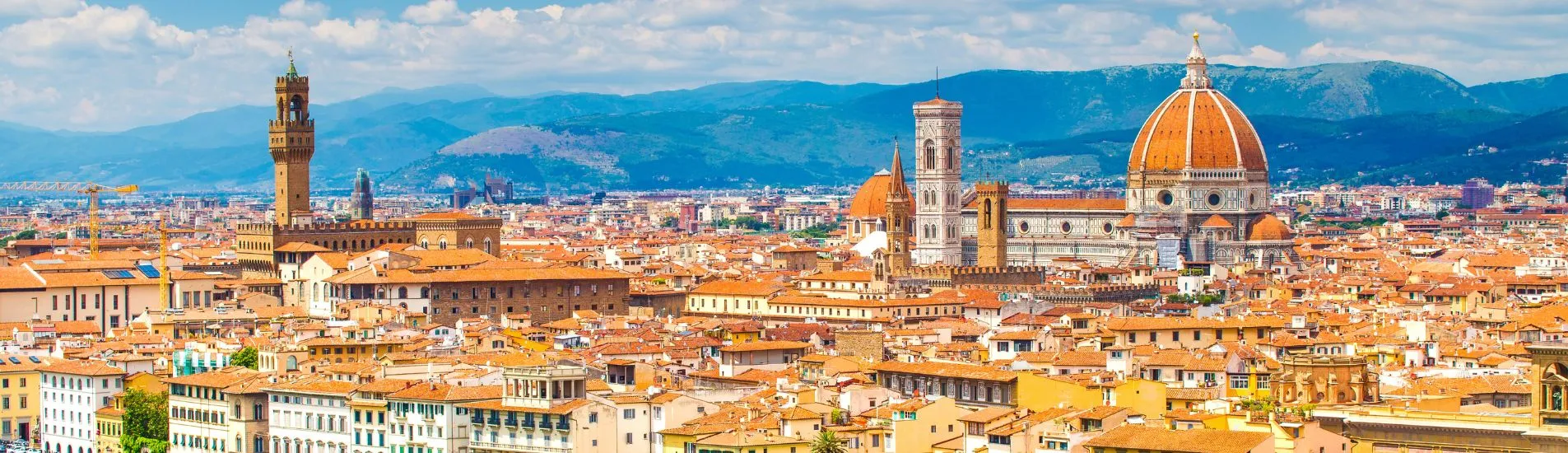
- Tuscany — Rolling hills around Siena and San Gimignano, the Renaissance capital Florence, the Leaning Tower of Pisa and the Chianti Classico wine zone sit within an hour of each other.
- Campania & the Amalfi Coast — Naples, Pompeii, Herculaneum and the cliff-road resorts of Positano and Ravello form one of Europe's most dramatic coastal cultural corridors.
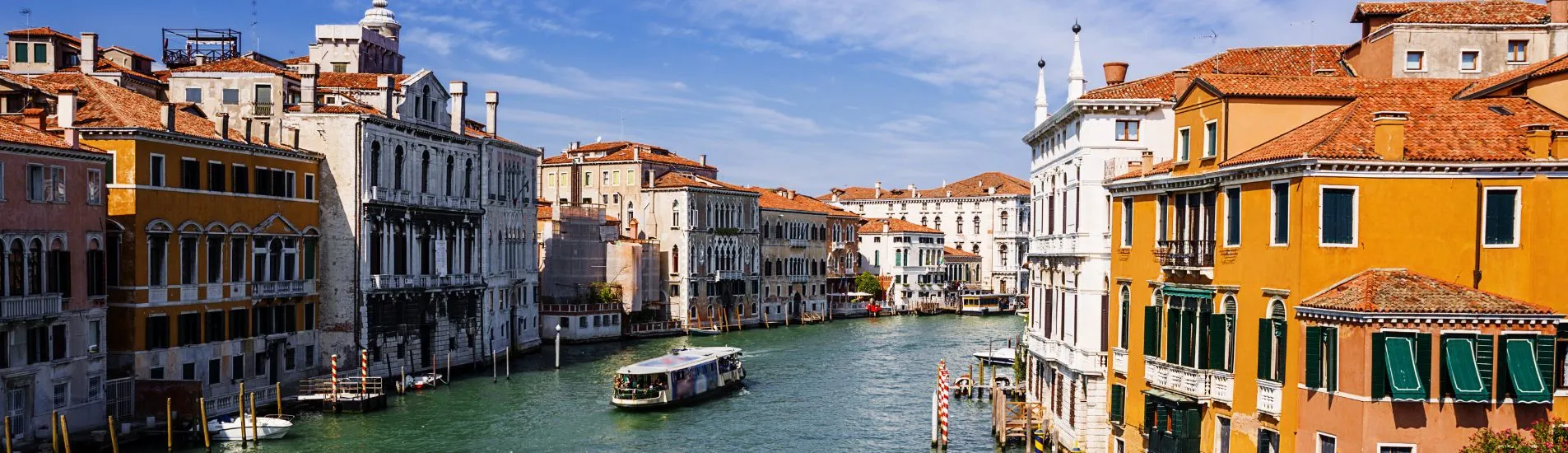
- Veneto & Venice — Venice and its lagoon islands (Murano, Burano, Torcello) sit alongside Verona's Roman arena, Lake Garda's resort shores and Vicenza's Palladian architecture.
- Sicily — The Mediterranean's largest island combines Greek temples at Agrigento's Valle dei Templi, active volcanoes at Mount Etna, Baroque city centres and outstanding seafood at Palermo's Ballarò market.
- Piedmont — Italy's most underrated gastronomic region: white truffles from Alba, Barolo and Barbaresco wines, and the refined café culture of Turin within easy reach of the Alps.
- Puglia — The heel of Italy's boot, with the distinctive trulli stone houses of Alberobello, the whitewashed port town of Otranto, baroque Lecce and the long sandy beaches of the Gargano peninsula.
- Sardinia — A geologically ancient island with a culture, language and cuisine distinct from mainland Italy; the Costa Smeralda's turquoise water competes with the Caribbean at a fraction of the flight cost from the UK.
- The Dolomites (South Tyrol/Trentino) — A UNESCO-listed mountain range straddling the Austrian border where the architecture, food and language reflect a centuries-long Habsburg history; winter skiing and summer via ferrata attract opposite seasons of visitors.
- The Cinque Terre (Liguria) — Five terraced coastal villages — Monterosso al Mare, Vernazza, Corniglia, Manarola and Riomaggiore — connected by clifftop hiking trails above the Ligurian Sea.
Italy's activities divide cleanly by region — what you do in the Dolomites bears no resemblance to what you do in Sicily, which is part of the point.
🏞️ Nature & Outdoor Activities
- Hike the Alta Via 1 trail through the Dolomites (Cortina d'Ampezzo, South Tyrol), a 120 km high-level route connecting ten mountain refuges across UNESCO-protected limestone towers; most walkers complete it in 10–12 days between July and September.
- Cycle the Via Claudia Augusta (Resia to Verona, Veneto/South Tyrol), a largely flat 700 km cycling route following a Roman military road through the Adige valley; the Bolzano–Verona section (120 km) is manageable in three days with bike hire from around €25 per day.
- Kayak the Gargano sea caves (Vieste, Puglia), a system of coastal limestone caves and arches accessible only by kayak or small boat; guided half-day tours operate from Vieste harbour for around €35pp.
- Walk the Valle d'Itria (Alberobello, Puglia) on a self-guided trullo trail connecting Locorotondo, Cisternino and Ostuni through olive groves and dry-stone walled farmland.
- Ski the Sella Ronda circuit (Alta Badia, South Tyrol/Dolomites), a 40 km marked ski route circling the Sella massif across four valleys and four ski areas; intermediate skiers complete it in a full day with a mountain lunch stop.
🏖️ Beaches
- Cala Goloritzé (Baunei, Sardinia) — A UNESCO-protected cove accessible only by boat from Santa Maria Navarrese (€15–20pp return) or a 90-minute mountain hike; the water is among the clearest in the Mediterranean.
- Scala dei Turchi (Realmonte, Sicily) — A naturally sculpted white marl cliff descending to a pale-sand beach west of Agrigento; arrive early as the formation is now protected and visitor numbers are capped in summer.
- Spiaggia di Sottomonte (Praiano, Campania) — A small pebble beach below the Amalfi Coast road accessed by 300 steps cut into the cliff face; largely unknown to coach tourists and served by a single beach bar.
- Spiaggia delle Due Sorelle (Sirolo, Le Marche) — A white-pebble Adriatic beach accessible only by boat from Numana (€10pp return), flanked by two sea stacks; the water is famously clear for the Adriatic.
- Lido di Sabaudia (Sabaudia, Lazio) — A 30 km barrier beach within the Circeo National Park, two hours south of Rome by car, where the dunes and pine forest behind the beach are protected and development is minimal.
🍽️ Food & Drink
- Order cacio e pepe (KAH-cho e PEH-peh) — Rome's three-ingredient pasta of pecorino Romano, black pepper and tonnarelli — at Osteria dell'Oca Bianca in Testaccio, the Roman neighbourhood where the dish originated in the city's former slaughterhouse district.
- Drink Nero d'Avola from a small Sicilian producer rather than a supermarket label; the indigenous red grape variety from the Noto area produces wines of considerable depth at €12–20 a bottle at source.
- Try arancini (ah-ran-CHEE-nee) — fried rice balls filled with ragù, peas and mozzarella — at the Mercato Ballarò in Palermo (Sicily), where street food vendors have operated in the same spaces since the Arab trading era.
- Visit the Mercato Centrale in Florence (Tuscany) for a self-guided tour of Florentine ingredients: lampredotto (tripe) sandwiches, aged Fiorentina beef, Colonnata lard from the marble quarry town, and Vin Santo dessert wine poured over cantucci biscuits.
- Book the Enoteca Pinchiorri tasting menu in Florence (Tuscany) for Italy's most celebrated cellar — three Michelin stars, a 120,000-bottle wine list and the most technically precise Florentine cooking available; the tasting menu runs to approximately €220pp without wine.
🎉 Nightlife & Entertainment
- Navigli canal district (Milan, Lombardy) comes alive during aperitivo hour from 18:00–21:00 — bars line the canal banks and serve free snacks alongside Campari Spritz; the area transitions to a full nightlife circuit by 22:00 with live music venues on Via Vigevano.
- Attend a Verdi or Puccini opera at the Arena di Verona (Verona, Veneto), a 2,000-year-old Roman amphitheatre that hosts its annual open-air opera festival from June to September; tickets range from €28 (stone steps) to €250 (stalls seating) and the experience of watching La Traviata under the stars in a Roman ruin is singular.
- Trastevere (Rome, Lazio) offers Rome's most animated evening atmosphere: a warren of medieval lanes with wine bars, jazz clubs and restaurants operating until 02:00, accessible from the centre by tram 8.
- Watch the Palio di Siena (Siena, Tuscany) horse race — held twice annually on 2 July and 16 August — from the Piazza del Campo; free standing room in the square, though grandstand seats (€250–400pp) require booking months in advance through official contrada ticket offices.
- Palermitano street food tour by night (Palermo, Sicily): several operators run evening walking tours of Palermo's historic markets and street food stands from around €35pp including tastings of sfincione (Sicilian thick-crust pizza), panelle (chickpea fritters) and cannoli assembled fresh.
📸 Instagram-Worthy Spots
- Manarola at dusk (Cinque Terre, Liguria) — The most photographed of the five villages; position yourself on the hillside path above the harbour at golden hour for the classic shot of coloured houses above the sea.
- Valle dei Templi at night (Agrigento, Sicily) — The Temple of Concordia (440 BC), one of the world's best-preserved Greek temples, is floodlit after dark and largely empty of visitors after 20:00 during summer evening openings.
- Piazza Armeria viewpoint (Ragusa Ibla, Sicily) — The Baroque lower town of Ragusa Ibla photographed from the San Giovanni belvedere staircase above, a composition that appears on every Sicilian travel feature.
- Tre Cime di Lavaredo reflection (Auronzo di Cadore, Dolomites) — The three limestone pinnacles reflected in the Lago dei Piani below are only visible in the early morning; access requires a toll road (€30 per car) or a shuttle bus from Misurina.
- Burano island (Venice, Veneto) — The brightly painted fishermen's houses of this lagoon island (vaporetto Line 12, 40 minutes from Fondamente Nove) make for straightforward, vivid photography without the Grand Canal crowds.
Best Value Deals
🌅 All-Inclusive Holidays
All-inclusive in Italy is most developed in Sicily and Sardinia, where large resort complexes — particularly around Taormina, the Costa Smeralda and Alghero — offer full-board packages including flights from £699pp in shoulder season (May–June or October). The all-inclusive model is less common in mainland Italian cities or on the Amalfi Coast, where self-catering and B&B accommodation is culturally dominant. For families seeking guaranteed budgets, Sicily's resort clusters around Cefalù and Marsala represent the strongest all-inclusive value in the country.
👨👩👧👦 Family Holidays
Italy is outstanding for families who want to combine beach time with cultural depth. Lake Garda (Veneto/Lombardy) offers Gardaland — Italy's largest theme park — alongside swimmable lakeside beaches and medieval castle visits in Sirmione. The Abruzzo National Park (Abruzzo) has wolf and bear watching trails accessible to children from age seven. In Sicily, Etnaland waterpark near Catania combines with beach time on the Ionian coast for a self-catering family week with genuine variety.
💎 Luxury Holidays
The Aman Venice — a 16th-century palazzo on the Grand Canal — is among the finest urban hotel experiences in Europe, with rates from €1,800 per night. On the Amalfi Coast, the Belmond Hotel Caruso in Ravello occupies an 11th-century bishop's palace on a clifftop with a 50 m infinity pool over the Tyrrhenian Sea. In Sardinia, the Cala di Volpe in the Costa Smeralda — designed by Jacques Couelle in 1963 — remains the definition of Mediterranean luxury. Expect to pay from £2,000pp per week at this level including flights.
⏳ Last-Minute Deals
Italy produces a reliable stream of late availability, particularly on city-break routes to Rome, Milan, Naples and Venice operated by Ryanair, easyJet and Vueling — where dynamic pricing can deliver return flights under £60 within a two-to-three-week window. Coastal and resort deals in Sicily and Puglia also appear in late September and early October as European summer holidays end but the weather (24–27°C) remains genuinely warm. School holiday periods — Easter, mid-July to late August and half-terms — are the exception: Italian summer tourism is deeply seasonal and prices hold firm.
Why Book with us:
💷 Low deposits from £49pp
📅 Flexible payment plans with balance due 6 weeks before travel
🛡️ ATOL Protected — your money and flights are safeguarded
✏️ Free amendment window on selected packages
📞 UK-based customer support, 8am–11pm every day
📅 Best Time to Visit Italy
The best time to visit Italy depends sharply on which part of the country and what you are there for. April–June is the finest window for Rome, Florence, Tuscany and the Amalfi Coast: temperatures of 18–25°C, long days and manageable crowds before July's peak. July–August is peak season — temperatures reach 32–38°C in the south and Sicily, crowds in Venice and Rome are at their densest, and prices hit their annual maximum; it suits beach holidays in Sardinia or Puglia rather than city sightseeing. September–October is the most balanced month for almost every region: the sea remains warm (24–26°C in Sicily), the crowds thin noticeably after mid-September, and grape harvest season brings vineyard activity across Tuscany, Piedmont and the Veneto. November–March suits city breaks in Rome, Florence and Milan with low prices and minimal queues, but the Amalfi Coast, Cinque Terre and many coastal restaurants close entirely from November to March.
🏨 Where to Stay
- Families: Lake Garda (Veneto/Lombardy) for Gardaland, swimmable shores and manageable logistics; or Cefalù (Sicily) for beach-plus-culture with easy Palermo day trips.
- Couples: Ravello (Campania) for clifftop drama on the Amalfi Coast; or Manarola or Vernazza (Cinque Terre, Liguria) for a village-scale romantic escape.
- Luxury seekers: Aman Venice (Venice) or Belmond Hotel Caruso (Ravello, Campania) for the definitive luxury Italian experience.
- First-timers & city culture: Rome (Lazio) — specifically the Monti or Trastevere neighbourhoods — for the most accessible introduction to Italy's historical and culinary range.
- Walkers & outdoor seekers: Cortina d'Ampezzo (Dolomites, South Tyrol) in summer for via ferrata and high-level trails; or the Cinque Terre for gentler coastal walking between the five villages.
🚗 Getting Around
Italy's rail network, operated primarily by Trenitalia and the high-speed Italo service, is the most practical way to move between major cities. The Rome–Florence Frecciarossa takes 1 hour 30 minutes (from €19 booked in advance); Florence–Venice is 2 hours 10 minutes; Rome–Naples is 1 hour 10 minutes. Book via Trenitalia.com or Italiarail.co.uk at least two weeks ahead in summer. Car hire is the right choice for Tuscany, Puglia, Sicily and the Amalfi hinterland — expect €35–55 per day from Hertz, Avis or local operators; avoid driving in Rome, Florence and Naples city centres, where ZTL restricted traffic zones issue automatic fines to hire cars. Ferries to Sicily (Trenitalia-connected through to Palermo) run from Villa San Giovanni in Calabria; to Sardinia, Tirrenia and GNV operate from Genoa, Civitavecchia and Naples.
💡 Travel Tips
- Validate your train ticket in the platform stamping machines before boarding regional trains — failure to do so results on-the-spot fines of €50 regardless of whether you hold a valid ticket; Frecciarossa and Italo high-speed tickets are already seat-assigned and do not require validation.
- Tipping is discretionary in Italy: a €1–2 coperto (cover charge) is typically added automatically per person at sit-down restaurants; tipping beyond that is appreciated but never expected. Taxi drivers do not generally expect tips.
- Plug type is Type F (two-pin round, 230V); UK adaptors are needed throughout.
- The ZTL (Zona a Traffico Limitato) restricted driving zones in Florence, Rome, Siena, Naples and most historic Italian city centres are camera-enforced and fines (€80–300) are applied to the hire company and passed to you — always check if your hotel is inside a ZTL before driving to it.
- Church dress codes are strictly enforced at major sites including St Peter's Basilica, the Duomo in Florence and the Sistine Chapel: shoulders and knees must be covered. Carry a lightweight scarf as a cover-up.
- Tap water in Italy is safe and good quality throughout the mainland; in Sicily and Sardinia, some rural areas use bottled water as a preference. Roadside drinking fountains (nasoni in Rome) dispense free, cold, potable water.
Map Of Italy
Top Experiences
Sail the Amalfi Coast
Private boat tour from Positano exploring sea caves, hidden coves, and crystal-clear waters along dramatic coastal cliffs.
Visit Colosseum Underground
Early-access guided tour of ancient chambers beneath the arena with exclusive behind-the-scenes experience.
Explore Torcello
Quiet island near Venice with historic basilica, mosaics, and peaceful atmosphere away from crowds.
Truffle hunting in Alba
Guided woodland experience with trained dogs, followed by tasting traditional dishes with fresh truffles and local wines.
Hike Mount Etna
Guided volcanic trek with cable car access, offering stunning sunrise views over lava landscapes.
Cooking class in Chianti
Hands-on Italian cooking experience with wine tasting in a traditional countryside estate.
Top Hotels In Italy



Top Destinations In Italy
Explore other Destinations & Resorts of Italy
Travel Information
Everything You Need To Know Before You Jet Off To Italy.
Other Hotels In Italy
Browse Our Wider Selection Of Hotels
Area Roma
Rome, Italy
25 Aug - 01 Sep 2026
Art Hotel Navigli
Milan, Italy
25 Aug - 01 Sep 2026
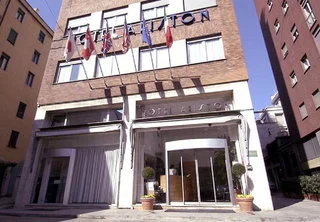
Ariston
Milan, Italy
25 Aug - 01 Sep 2026
As Hotel Dei Giovi
Cesano Maderno, Italy
25 Aug - 01 Sep 2026
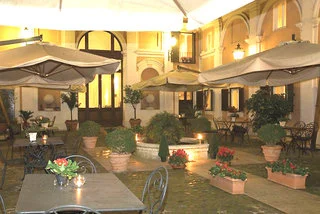
Antico Palazzo Rospigliosi
Rome, Italy
25 Aug - 01 Sep 2026
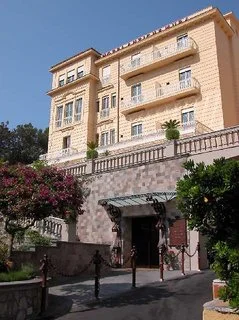
Antiche Mura
Sorrento, Italy
25 Aug - 01 Sep 2026
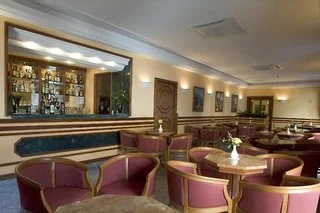
Ascot Hotel Sorrento
Sorrento, Italy
25 Aug - 01 Sep 2026
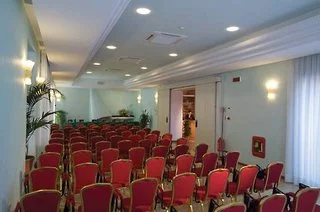
Astura Palace
Nettuno, Italy
25 Aug - 01 Sep 2026
Ateneo Garden Palace
Rome, Italy
25 Aug - 01 Sep 2026
Atlante Star
Rome, Italy
25 Aug - 01 Sep 2026
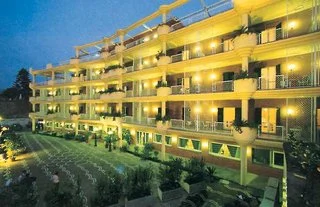
Atlantic Palace
Sorrento, Italy
25 Aug - 01 Sep 2026
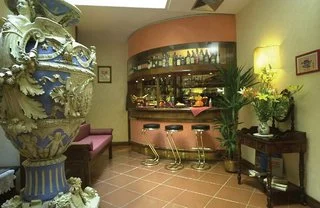
Atlantic Palace
Florence, Italy
25 Aug - 01 Sep 2026