

Milan
Renaissance art, global fashion and iconic cuisine — Milan is perfect for couples and culture-focused city breaks
Deals from £313ppBest Deal of Milan


Overview
Things To Do
Deals
Travel Guide
Milan sits in the Po Valley of northern Italy's Lombardy region, approximately 2 hours from the UK by direct flight, and functions simultaneously as Italy's financial capital, its fashion headquarters and one of its most underestimated cultural cities. The historic centre contains Leonardo da Vinci's Last Supper, a Gothic cathedral begun in 1386, the world's most storied opera house and the Pinacoteca di Brera — a gallery whose collection of northern Italian Renaissance painting is rivalled only by the Uffizi in Florence. Beyond the centro storico, five distinct neighbourhoods — Brera, Navigli, Isola, Porta Romana and the newly regenerated Porta Nuova district around the Bosco Verticale towers — give the city genuine depth for repeat visitors. The surrounding Lombardy region places Lake Como, Lake Maggiore and the first foothills of the Alps within an hour of the city centre by regional train. UK travellers reach Milan on direct flights from Gatwick, Stansted, Manchester, Bristol and Edinburgh to two airports — Malpensa (MXP, 50 minutes from the centre) and Bergamo (BGY, 60 minutes) — with easyJet, Ryanair, British Airways and Wizz Air year-round.
✨ Why Visit Milan
- The Last Supper is here, and nowhere else. Leonardo da Vinci's Il Cenacolo is painted directly onto the refectory wall of Santa Maria delle Grazie and cannot travel; unlike the Mona Lisa or the Sistine Chapel, it exists in a single room, viewable by 25 people at a time for 15 minutes. That enforced intimacy makes it one of the most genuinely affecting art experiences in Europe.
- The fashion district is a cultural phenomenon, not just a shopping street. The Quadrilatero della Moda — Via Montenapoleone, Via della Spiga, Via Sant'Andrea and Corso Venezia — is where Versace, Prada, Gucci, Armani and Valentino maintain their flagship atelier-stores; window displays here are designed by the same teams as the runway shows and change with the season. The area is entirely free to walk and photograph.
- Milan's food culture is categorically distinct from the rest of Italy. Risotto alla Milanese (saffron-infused, with beef bone marrow), osso buco (braised veal shin), cotoletta alla Milanese (breaded veal cutlet so thick it stands on its bone) and panettone — invented here in the late 15th century — are dishes of specific Lombard origin that reached the world from this city. The aperitivo tradition of complimentary food with drinks was also codified here.
- The Pinacoteca di Brera is one of Italy's great overlooked galleries. Raphael's Marriage of the Virgin, Mantegna's Dead Christ, Caravaggio's Supper at Emmaus and Piero della Francesca's Brera Madonna share a single neoclassical palazzo in the Brera neighbourhood — a collection that in any other European city would generate year-long queues; in Milan it is typically walkable without advance booking.
- Three of Europe's finest lakes are within an hour by regional train. Lake Como (55 minutes), Lake Maggiore (50 minutes to Stresa) and Lake Garda (1 hour 10 minutes to Desenzano) are all day-trippable from Milan Centrale on Trenitalia regional services from under €6 single — an extraordinary geographic bonus for a city break.
- Design Week (Salone del Mobile) is the world's largest design fair. Held each April, the Salone del Mobile draws 300,000 professionals and visitors to the Fiera Milano exhibition centre in Rho for six days; the Fuorisalone — the parallel programme of installations, openings and events across the city's design districts — is largely free and transforms the Brera, Isola and Tortona neighbourhoods into an open-air design festival. Hotels book out months in advance; plan accordingly.
🌴 What Makes It Special
Unlike Rome or Florence, Milan does not trade on ruins and Renaissance tourism — it is a working, forward-facing European metropolis where the cultural offer is layered beneath a functioning financial and creative economy. Unlike Paris, which shares the luxury fashion and café-culture archetype, Milan's fashion district is denser and more navigable on foot, the restaurant scene is more regionally rooted, and the city is considerably less crowded in every month of the year. Unlike Turin — Piedmont's underrated capital and Milan's nearest rival for northern Italian urban credibility — Milan's international flight connections and sheer density of major cultural institutions make it the more practical base for a UK city break. The combination of Leonardo, La Scala, the Quadrilatero della Moda, the Navigli and the lakes within an hour by train puts Milan in a category that no other single Italian city occupies.
📍 Key Areas to Explore
- Duomo & Centro Storico — The Gothic cathedral, the Galleria Vittorio Emanuele II (Europe's oldest shopping arcade, opened 1877), the Teatro alla Scala and the Palazzo Reale sit within a five-minute walk of each other at the city's historic heart.
- Brera — A bohemian neighbourhood of cobbled streets, independent galleries, antique dealers and the Pinacoteca di Brera; the most characterful area in the city for an evening passeggiata and aperitivo.
- Navigli — The southern canal district centred on the Naviglio Grande and Naviglio Pavese; Milan's most animated nightlife and aperitivo neighbourhood, with a Sunday antiques market running along the canal bank.
- Quadrilatero della Moda — The fashion district's four streets in the north-east of the centro storico, housing the flagship stores of every major Italian fashion house and a density of jewellers, tailors and concept stores.
- Isola & Porta Nuova — The regenerated northern district where Stefano Boeri's Bosco Verticale (Vertical Forest towers, completed 2014) anchors a neighbourhood of design studios, concept restaurants and independent boutiques popular with Milan's creative industries.
- Porta Romana & Tortona — The southern design quarter, home to BASE Milano cultural centre, the Armani/Silos fashion museum and the Tortona district's concentration of design showrooms and photography studios.
- Magenta — The quiet residential neighbourhood west of the Duomo containing Santa Maria delle Grazie (the Last Supper) and the Leonardo da Vinci National Museum of Science and Technology — the world's largest science museum dedicated to a single individual.
- Città Studi — The university quarter east of the centre, with affordable trattorias, local bars unaffected by tourist pricing and the Orto Botanico di Brera (botanic garden, free entry).
Milan's activities span from world-class museum culture and architectural walks to lake excursions and a restaurant scene that deserves at least two dedicated evenings.
🏞️ Nature & Outdoor Activities
- Walk the Parco Sempione (Sempione, Milan) — a 47-hectare English-landscape park behind the Castello Sforzesco, designed by Emilio Alemagna in 1888; the park contains the Torre Branca (a 108 m steel observation tower, €8 admission) and the Arco della Pace triumphal arch at its western end.
- Cycle the Naviglio Grande towpath (Navigli, Milan) from the city's Darsena harbour to Abbiategrasso (35 km, flat), following the canal that Leonardo da Vinci helped engineer in the late 15th century; bike hire from Bikemi (Milan's municipal scheme) costs €4.50 for 24 hours.
- Take the Malpensa Express to Gallarate then a local bus to the Parco del Ticino (Ticino Valley Natural Park, Lombardy) — a 90,000-hectare riverside park along the Ticino river with marked walking and cycling trails through flood-plain woodland; river otters returned to the park in 2019 after a 50-year absence.
- Hike to the Sacro Monte di Varese (Varese, Lombardy) — a UNESCO World Heritage pilgrimage route of 14 baroque chapels climbing through chestnut woodland to a village at 880 m, 50 minutes by regional train from Milan Porta Garibaldi (€4.80 single).
- Walk the Darsena waterfront (Navigli, Milan) — the city's renovated inner harbour, a 10-minute walk from the Duomo, where the Naviglio Grande meets the Naviglio Pavese; kayak hire is available from the Darsena dock in summer for around €15 per hour.
🏖️ Beaches
- Lido di Lugano (Lugano, Switzerland — 1 hr by regional train from Milan Centrale) — A lakeside lido on Lake Lugano with a 50 m outdoor pool, sandy sunbathing terraces and clear Alpine lake swimming; entry approximately CHF 10 (around £9); a valid UK passport is needed for the Swiss border.
- Lido di Bellagio (Bellagio, Lake Como) — A small public lakeside beach below the Villa Serbelloni headland on Lake Como; free access to the public shore, with sun loungers available for hire at the adjacent private lido for around €15 per day.
- Spiaggia di Cantine di Groppello (Groppello, Lake Maggiore) — A quiet pebble-and-grass lido on the Piedmontese shore of Lake Maggiore, free to access and far less crowded than the resort beaches around Stresa; 1 hour by regional train to Arona then 10 minutes by local bus.
- Spiaggia di Punta San Vigilio (Garda, Lake Garda) — A private lido on a cypress-wooded headland on Lake Garda's western shore (admission €18 adults in summer); considered one of the most scenically refined lake beaches in northern Italy.
- Lido di Maccagno (Maccagno, Lake Maggiore) — A low-key public beach village on the northern shore of Lake Maggiore, 1 hour 20 minutes by regional train from Milan Centrale; the lake narrows here and the Alpine scenery to the north is considerably more dramatic than the southern resort towns.
🍽️ Food & Drink
- Order risotto alla Milanese (ree-ZOT-toh ah-lah mee-lah-NEH-zeh) — saffron-infused, butter-mounted, made with beef bone marrow and Grana Padano — at Trattoria del Nuovo Macello in the Porta Romana district, a family-run trattoria that has served the same recipe since 1928 and charges around €16 for the dish.
- Drink a Campari Soda at the Bar Basso (Porta Venezia, Milan) — the bar where the Negroni Sbagliato (Campari, sweet vermouth and Prosecco instead of gin) was reportedly invented by accident in 1972; a cocktail here costs €8–10 and the bar's original 1940s interior has remained unchanged.
- Try panettone from Pasticceria Cova (Via Montenapoleone, Milan) — the city's oldest pasticceria, established 1817 and now part of the LVMH group; a whole panettone costs €35–55 but the café serves individual slices with a glass of Moscato d'Asti for around €9, an accurate representation of how Milanese families eat it on Christmas morning.
- Visit the Mercato Metropolitano (Porta Romana, Milan) — a permanent indoor food market in a converted industrial space with vendors selling Lombard salumi, aged Grana Padano and Taleggio cheese, freshly made pasta and Franciacorta sparkling wine by the glass from around €6.
- Book the tasting menu at Seta (Mandarin Oriental, Duomo, Milan) — two Michelin stars, executive chef Antonio Guida, with a tasting menu running to approximately €185pp; the room is one of the most elegant in northern Italy and the wine list particularly strong on Barolo and Franciacorta.
🎉 Nightlife & Entertainment
- Tunnel Club (Porta Garibaldi, Milan) — A large underground club in the arched tunnels below the former railway yards at Porta Garibaldi, running electronic music events on Friday and Saturday nights; entry typically €10–20 and the venue has a genuine local following rather than a tourist circuit reputation.
- Attend the opening night of La Scala season on 7 December (Teatro alla Scala, Milan) — Milan's most important civic event, the Feast of Sant'Ambrogio; the piazza outside La Scala fills with protestors, opera lovers and Milanese citizens in a tradition of public debate that accompanies the city's most formal annual evening.
- Plastic Club (Porta Vittoria, Milan) — One of Italy's most historically significant nightclubs, open since 1980 and credited with introducing electronic and house music to Italy; still operating on weekend nights with an eclectic programme ranging from LGBTQ+ nights to live performance art.
- Aperitivo at Ceresio 7 (Isola, Milan) — A rooftop bar and pool on the seventh floor of a 1930s Fascist-era building in the Isola district, with views across the Bosco Verticale towers and the Alps on clear evenings; the aperitivo hour (18:00–20:00) is the best value entry point at around €12 for a drink.
- The Sunday antiques market on the Naviglio Grande (Navigli, Milan) runs on the last Sunday of each month along 2 km of canal bank — around 400 dealers in furniture, vintage clothing, prints, ceramics and jewellery; free to browse and worth combining with lunch at one of the canalside trattorias.
📸 Instagram-Worthy Spots
- Bosco Verticale at dusk (Isola, Milan) — Stefano Boeri's twin residential towers clad in 900 trees and 20,000 plants photograph best from the Corso Como end of Via Gaetana Agnesi around 20 minutes before sunset, when the western light catches the foliage against the sky.
- Galleria Vittorio Emanuele II floor mosaic (Duomo, Milan) — The central floor of Europe's oldest shopping arcade contains an inlaid mosaic bull; Milanese tradition holds that spinning on your heel on its testicles brings good luck, which has worn a depression into the marble. The mosaic reads well from the upper gallery level, accessible via the Duomo museum.
- Biblioteca degli Alberi (Porta Nuova, Milan) — A 90,000 sq m public botanical garden between the Bosco Verticale towers and the Porta Nuova business district, planted with over 100 species in geometric patterns; the aerial symmetry is best appreciated from the residential tower terraces but even ground-level paths offer clean architectural photography.
- San Bernardino alle Ossa (Duomo, Milan) — A small baroque church whose ossuary chapel has walls entirely constructed from human skulls and bones, assembled in the 18th century; free entry and entirely overlooked by most visitors following the Duomo tourist circuit.
- Cimitero Monumentale (Monumentale, Milan) — Milan's grand 19th-century cemetery is one of the finest examples of funerary architecture in Europe, with tombs by Giò Ponti, Lucio Fontana and other major Italian designers; free entry, open Tuesday–Sunday, and a genuinely moving cultural experience rather than a morbid curiosity.
Best Value Deals
🌅 All-Inclusive Holidays
All-inclusive packaging in Milan itself is uncommon — the city's hotel stock runs to four and five-star business hotels, boutique design properties and independent three-star establishments, virtually none of which operate on a full-board inclusive basis. The most practical approach for budget-conscious UK travellers is a flight-and-hotel package combining central three-star accommodation in the Navigli or Brera districts with a pre-loaded restaurant budget; several UK operators offer curated city break packages to Milan from £399pp for four nights including flights. For travellers seeking full-board comfort, the lakeside resort hotels at Stresa on Lake Maggiore and Gardone Riviera on Lake Garda offer half-board and full-board options from around £650pp including flights in shoulder season.
👨👩👧👦 Family Holidays
Milan suits families with children aged eight and above who have an appetite for city culture. The Leonardo da Vinci National Museum of Science and Technology (Via San Vittore, Magenta) is the most child-friendly major institution in the city — interactive engineering exhibits, a full-scale section of a Second World War submarine and Leonardo's mechanical invention models keep children engaged for a full half-day; admission is €10 for adults, €7.50 for children aged 6–18. The Castello Sforzesco's free courtyard, the Parco Sempione and the Torre Branca's panoramic views complete a practical family day. Lake Garda — specifically the Gardaland theme park near Peschiera del Garda (1 hour by regional train from Milan Centrale) — is the most logical family extension from a Milan base.
💎 Luxury Holidays
The Mandarin Oriental Milan on Via Andegari — a converted 18th-century palazzo 200 metres from La Scala — is the city's finest luxury address, with a rooftop spa terrace and the two-Michelin-starred Seta restaurant. The Bulgari Hotel Milan in the Brera gardens, designed by Antonio Citterio, has been Milan's defining design hotel since its 2004 opening; the private garden, carved from the city's botanical gardens, is the most extraordinary outdoor space of any urban hotel in Italy. For the full fashion-week experience, the Four Seasons Milan occupies a 15th-century convent cloister in the Quadrilatero della Moda; rates from €900 per night. Expect to pay from £2,000pp for a week at this level including flights.
⏳ Last-Minute Deals
Milan produces reliable late availability outside its three annual pinch points — Fashion Week (February and September), Salone del Mobile Design Week (April) and the Christmas market season (late November to early January). In the windows between these events — particularly October, early November and mid-January to early February — flights from London to Bergamo or Malpensa on Ryanair and easyJet frequently drop to £30–50 return within a two-week booking window, and four-star hotels in the Navigli and Brera districts reduce to £90–130 per night. Book schools holiday weeks well in advance; October half-term in particular fills the city's mid-range hotel stock quickly.
Why Book with us:
💷 Low deposits from £49pp
📅 Flexible payment plans with balance due 6 weeks before travel
🛡️ ATOL Protected — your money and flights are safeguarded
✏️ Free amendment window on selected packages
📞 UK-based customer support, 8am–11pm every day
📅 Best Time to Visit Milan
Milan's climate is more extreme than most UK visitors expect — January and February deliver cold, grey, occasionally foggy days with temperatures of 1–6°C, while July and August are genuinely hot and humid at 28–33°C. April to June is the finest window for most visitors: temperatures of 17–25°C, long evenings and the city fully animated; April brings Design Week, which is exciting but raises hotel prices by 60–100% during Salone week — book months ahead or avoid that specific week. September and October is the best overall period: Fashion Week brings energy in the first weeks of September, temperatures drop to a comfortable 20–24°C, and the lakes are still warm enough to swim. November to March suits budget-conscious city breakers — hotel prices drop sharply, the Pinacoteca di Brera and the Last Supper are easier to book, and La Scala's season is in full swing. July and August are the months to avoid: the city empties of Milanese residents, many local restaurants close for the August Ferragosto holiday, and the heat and humidity make extended walking uncomfortable.
🏨 Where to Stay
- Families: Magenta or Castello districts for proximity to the Science Museum, Parco Sempione and the Duomo; practical mid-range hotel stock with room configurations suited to families.
- Couples: Brera for cobbled streets, independent wine bars and the Pinacoteca within walking distance; or Navigli for canal-side atmosphere and the city's most animated evening neighbourhood.
- Luxury seekers: Mandarin Oriental or Bulgari Hotel Milan (Brera) for the definitive Milan luxury experience; Four Seasons Milan (Quadrilatero) for the full fashion-district immersion.
- First-timers: Centro Storico — specifically within 10 minutes' walk of the Duomo — for the most walkable access to the Galleria, La Scala, the Last Supper (20-minute walk) and the fashion district.
- Design & culture lovers: Isola or Porta Nuova for proximity to the Bosco Verticale, the design studio neighbourhood and the Porta Garibaldi nightlife circuit; well connected by the M5 metro line to the centre.
🚗 Getting Around
Milan's metro network (ATM, four lines) is clean, frequent and covers the city comprehensively; a single ticket costs €2.20 and a 48-hour pass €7. The M1 (red) and M3 (yellow) lines connect the two most useful arcs of the city centre from Cadorna to the Duomo and on to the Central Station. From Malpensa Airport, the Malpensa Express train runs to Milan Centrale (50 minutes, €13) or Cadorna (50 minutes, €13) every 30 minutes; from Bergamo Airport (Orio al Serio), TERRAVISION and Autostradale coaches run to Milan Centrale in 55–70 minutes for €10. Car hire is available but driving in the centro storico is restricted by the Area C congestion charge (€5 per entry, 07:30–19:30 Monday–Friday) — a car is only useful for lake day trips or Lombardy countryside excursions. Trenitalia regional trains serve Lake Como (Varenna, 55 min, from €5.90), Lake Maggiore (Stresa, 50 min, from €6.70) and Lake Garda (Desenzano, 1 hr 5 min, from €8.50) from Milan Centrale.
💡 Travel Tips
- Book the Last Supper as soon as your dates are fixed — ideally 2–3 months ahead between April and September; slots genuinely sell out and there is no walk-up option. The official booking platform is vivaticket.com; avoid third-party resellers charging €50–80pp for the same €17 ticket.
- The Area C congestion charge applies automatically to hire cars entering the historic centre — check the boundaries at comune.milano.it before driving and settle the charge online within the same day to avoid a €100 fine passed back by the hire company.
- Tipping follows Italian norms: the coperto (cover charge, typically €2–3pp) is included on restaurant bills; rounding up or leaving €1–2 extra is appreciated but not expected. Taxi drivers do not expect tips.
- Plug type is Type F (two-pin round, 230V); bring a UK adaptor — hotel front desks usually have a spare but it is not guaranteed.
- Milan's tap water is safe, cold and good quality — the city draws from Alpine aquifer sources and the water has a light mineral character. Order acqua del rubinetto (tap water) in restaurants to save €3–5 per bottle across a week's dining.
- Carry a light waterproof layer from October through March — Milan's Po Valley location makes it prone to sudden low cloud and drizzle that lifts within an hour; weather apps are unreliable at the micro-scale and an umbrella takes little bag space.
Map Of Milan
Top Experiences
View The Last Supper
Timed entry reveals Leonardo’s masterpiece in controlled setting; book weeks ahead for this iconic experience.
Aperitivo in Navigli
Canal-side bars offer drinks with buffet-style food; lively evening atmosphere with local Milanese culture.
Walk Duomo di Milano terraces
Rooftop access among spires and statues with panoramic city and Alpine views.
Explore Brera
Artistic district with galleries, boutiques, and access to exclusive textile archives and design heritage.
Day trip to Lake Como
Scenic lakeside towns, ferry routes, and alpine views easily reached from Milan.
Opera at Teatro alla Scala
Experience world-class performances in historic opera house with affordable standing tickets.
Top Hotels In Milan



Travel Information
Everything You Need To Know Before You Jet Off To Milan.
Other Hotels In Milan
Browse Our Wider Selection Of Hotels
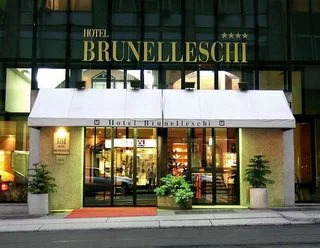
Brunelleschi
Milan, Milan
03 Aug - 10 Aug 2026
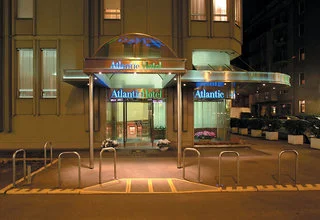
C-hotels Atlantic
Milan, Milan
03 Aug - 10 Aug 2026
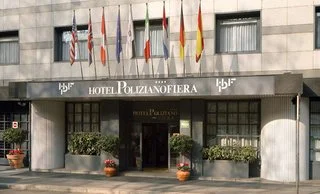
City Life Hotel Poliziano
Milan, Milan
03 Aug - 10 Aug 2026
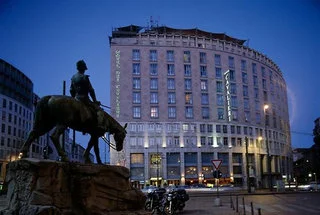
Dei Cavalieri Milano Duomo
Milan, Milan
03 Aug - 10 Aug 2026
Della Rotonda
Saronno, Milan
03 Aug - 10 Aug 2026
Aer Hotel Malpensa
Oleggio, Milan
03 Aug - 10 Aug 2026
Aiello Rooms
Milan, Milan
03 Aug - 10 Aug 2026
Arco Romana
Milan, Milan
03 Aug - 10 Aug 2026
Ariston Lake View Hotel
Milan, Milan
03 Aug - 10 Aug 2026
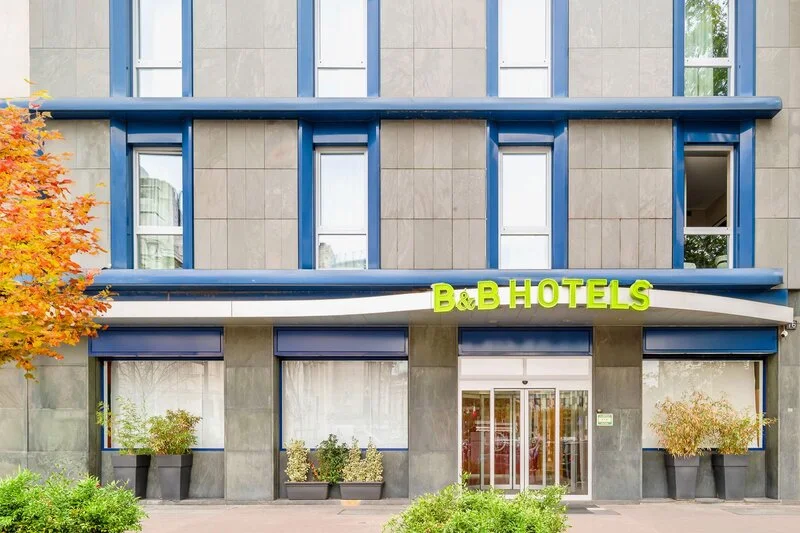
B&b Hotel Milano Aosta
Milan, Milan
03 Aug - 10 Aug 2026
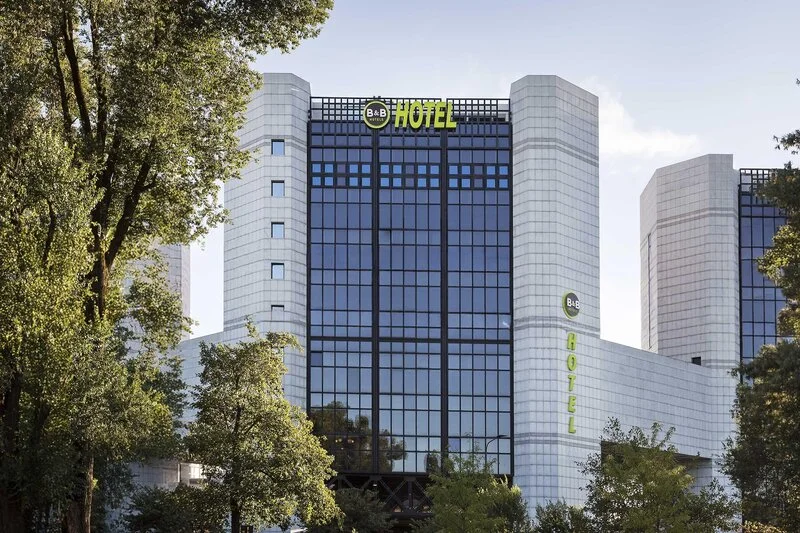
B&b Hotel Milano Cenisio Garibaldi
Milan, Milan
03 Aug - 10 Aug 2026
Belvedere
Manerba del Garda, Milan
03 Aug - 10 Aug 2026